Climate
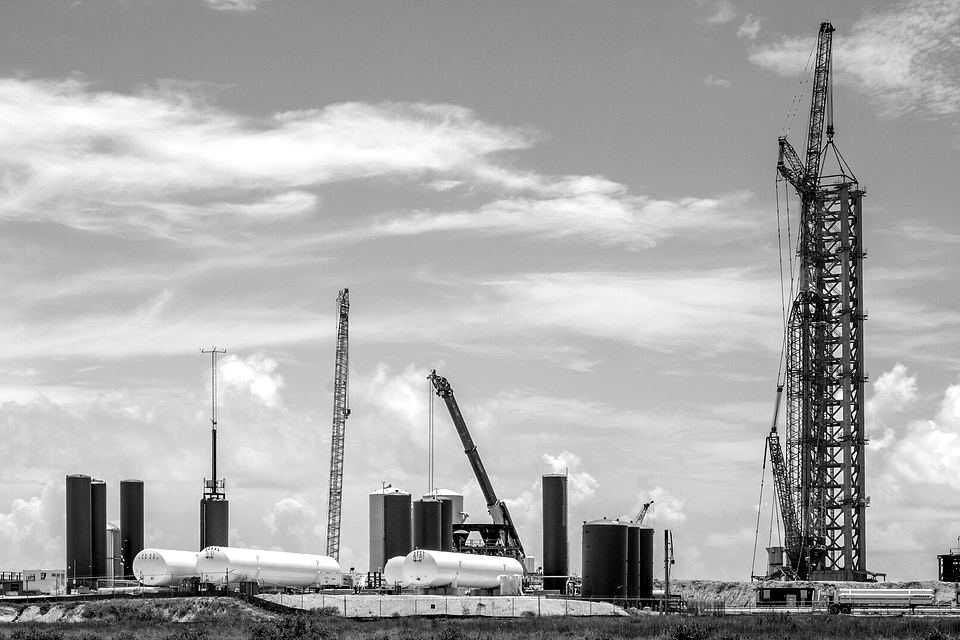
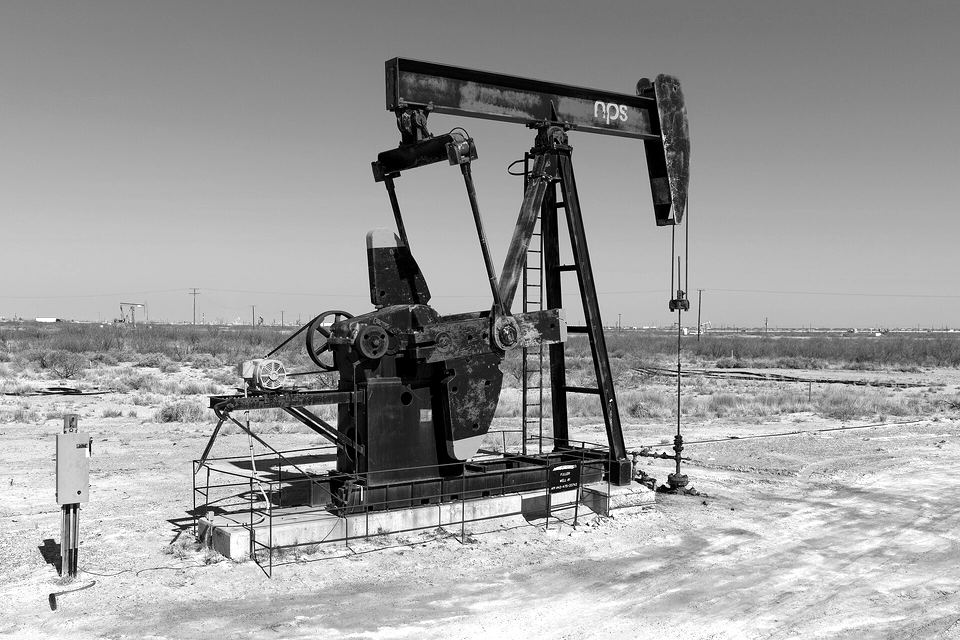
EPA Proposes Easing Methane Rules for Oil and Gas Operators
The proposal would end the “super-emitter” program and loosen rules on low-producing wells and flaring; the EPA says industry would save $45 billion.
Space, climate, the natural world and new research.
Climate
The proposal would end the “super-emitter” program and loosen rules on low-producing wells and flaring; the EPA says industry would save $45 billion.
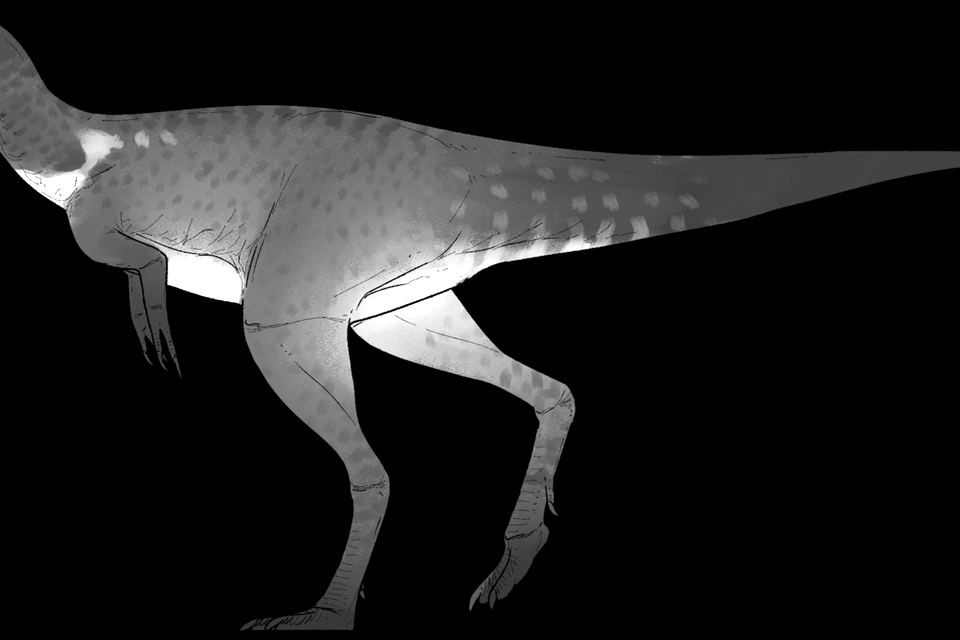
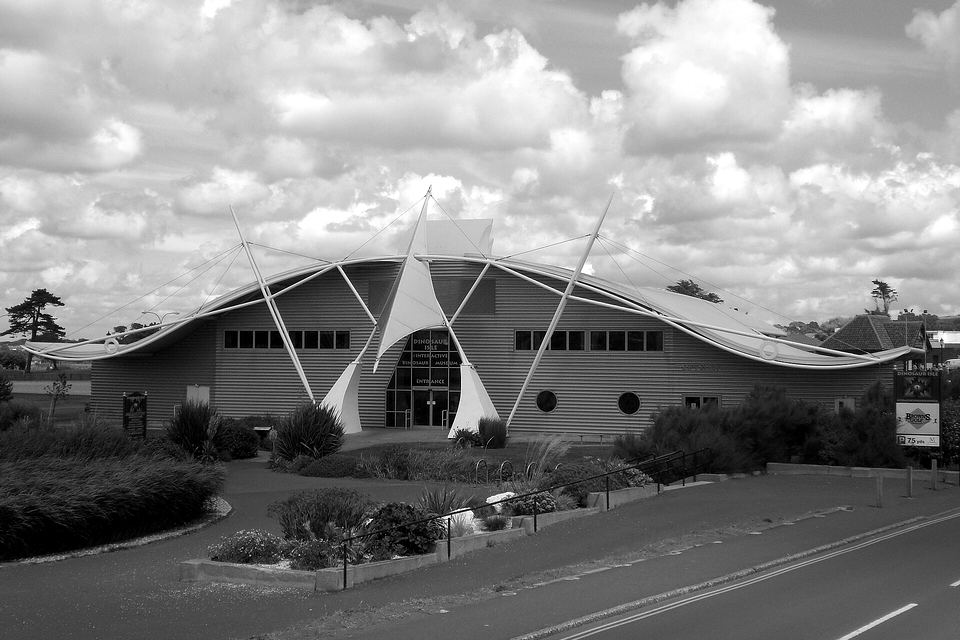
Whether Nanotyrannus was its own species or a young Tyrannosaurus rex has shifted in recent studies, and a Montana skeleton named Jodi is part of the story.
Climate
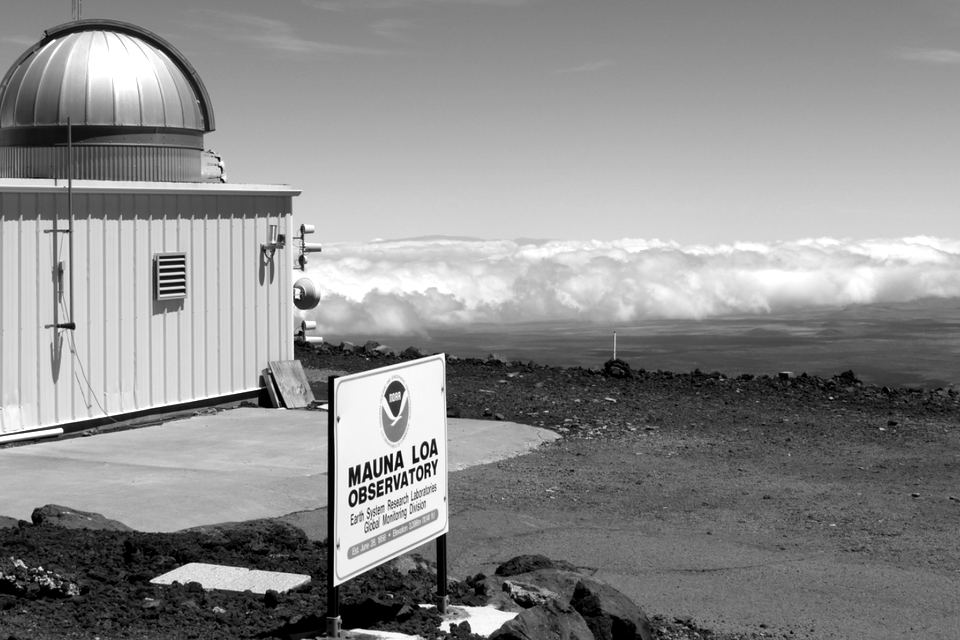
Carbon dioxide averaged 426.8 parts per million, about 153 percent of pre-industrial levels. The rise slowed from the year before, but the agency expects another increase in 2026.
Paleontology
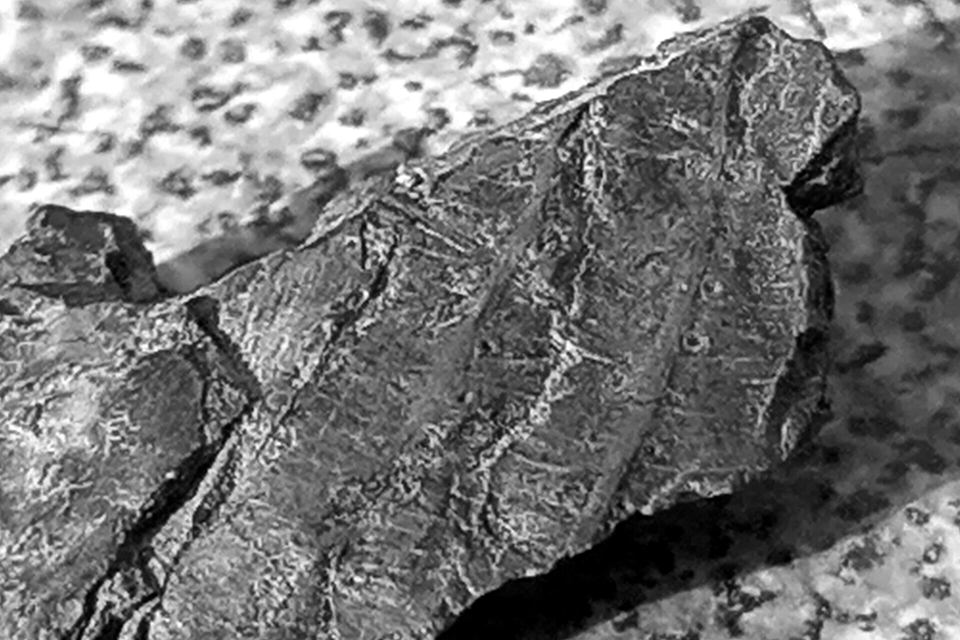
Two armored skeletons from southern China suggest Gerrothorax maritimus survived in salt water, something no living amphibian is known to do.
Astronomy
Harvard and Smithsonian astronomers modeled a cube of space about 1.5 billion light-years wide to follow how light from the first galaxies transformed hydrogen and helium.
Animal Behavior
Researchers at a Texas sanctuary found that macaques exposed to a deadly virus were far less likely to take a treat from a surface that looked dirty, a clue to the evolutionary roots of disgust.
Climate
Researchers attribute roughly two-thirds of the deaths to human-caused warming, in what they describe as the deadliest summer on record for the 854 cities studied.
Oceans
The first global review of coral reefs under the IUCN’s ecosystem red list rates 96 percent of them critically endangered once projected ocean warming is counted.
Climate
The annual Emissions Gap Report finds current policies point to about 2.8C of warming this century. The task now, it says, is to keep the overshoot small and short.
Space
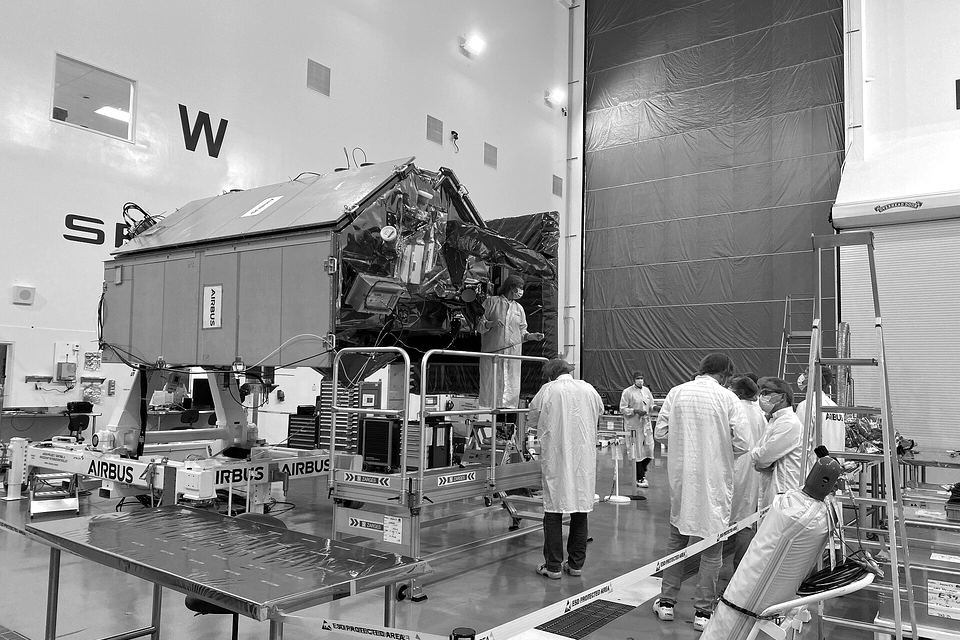
The MMX spacecraft, carrying a small French-German rover, aims to return at least 10 grams of soil in 2031 and help settle how Mars got its two odd little moons.
Space
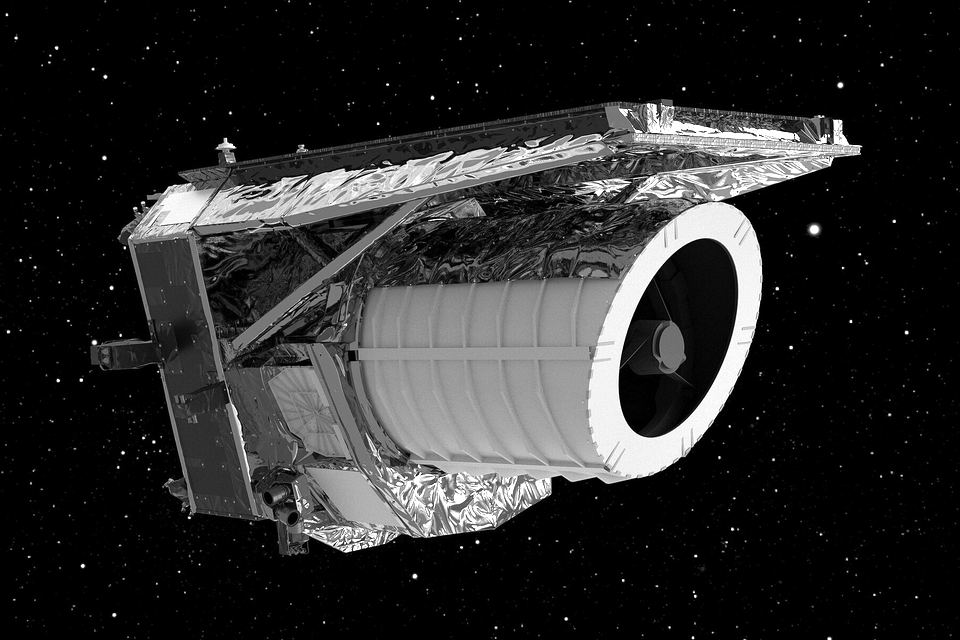
A doctoral student’s software spotted a faint, fuzzy streak in survey images. The comet, now named C/2026 S1 (Euclid), is a lucky catch for an observatory designed to look far beyond the solar system.
Space
Set to lift off from southern Japan this week, MMX carries instruments from NASA and European partners and would be the first craft to bring material home from the Martian system.
Space
NASA’s first detailed look at the science from April’s crewed lunar flyby credits the astronauts’ own descriptions, while a separate review found Orion’s heat shield held up far better than on the uncrewed test flight.
Climate
NASA images show warm water and raised sea levels stretching across the Pacific, while federal forecasters put the odds of a historic event this fall at better than four in five.
Timekeeping
Meeting in Versailles, the General Conference on Weights and Measures agreed to let atomic time drift up to an hour from Earth’s rotation, ending the one-second adjustments that have unsettled computer networks since 1972.
Paleontology
Scientists say the partial skull from England’s Isle of Wight belongs to Invictibellatrix amberina, the first megaraptoran known from Europe. The find supports the idea that the group spread across ancient continents.
Mars
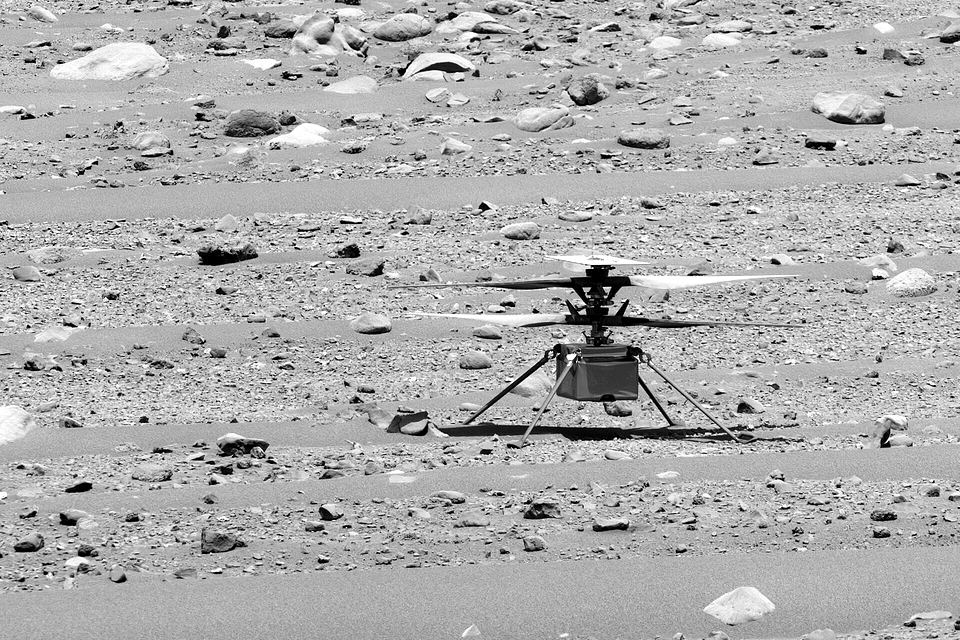
NASA’s Mars rover passed the 28.06-mile mark set by Opportunity, covering the distance in about five and a half years. Most of the driving was planned by the rover itself.
Biology
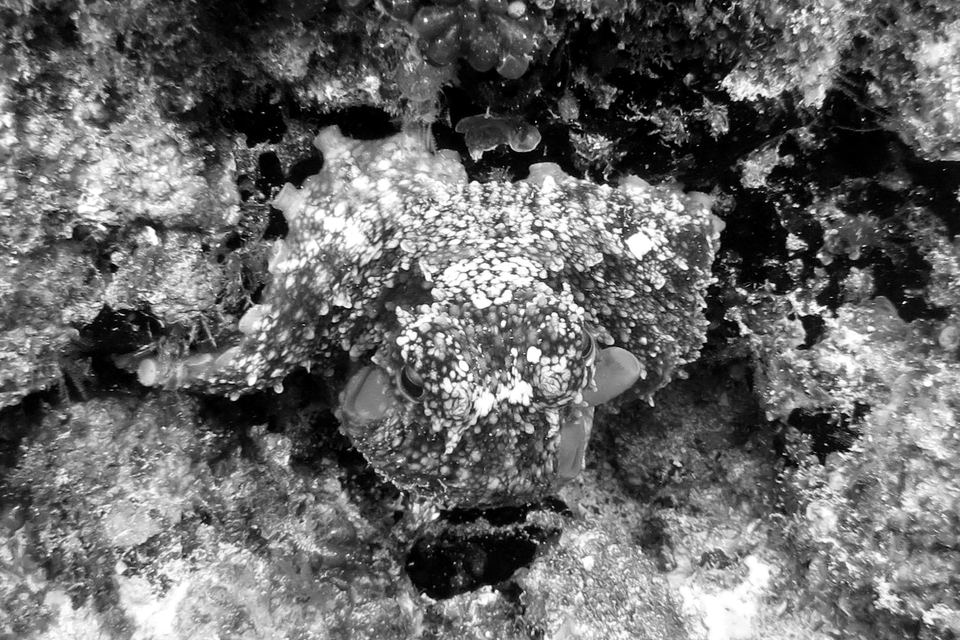
Researchers in Vienna found that an ancient reshuffling of the cephalopod genome brought distant stretches of DNA into contact, creating new ways for genes to be switched on and off.
Astronomy
The pair, about 300 light-years away, circle each other every 87 minutes, and the steady flow of material between them could continue for an extraordinarily long time.
Physics
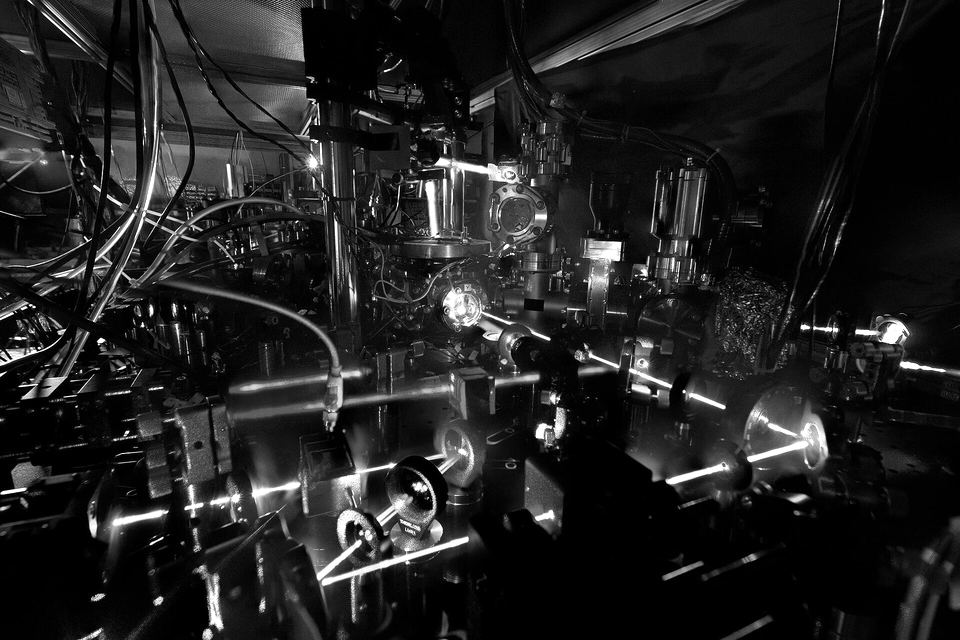
The thorium-based prototype ran for more than a day without leaning on a conventional atomic clock, a step toward timekeepers that could one day outperform the best ones in use today.
Remembrance
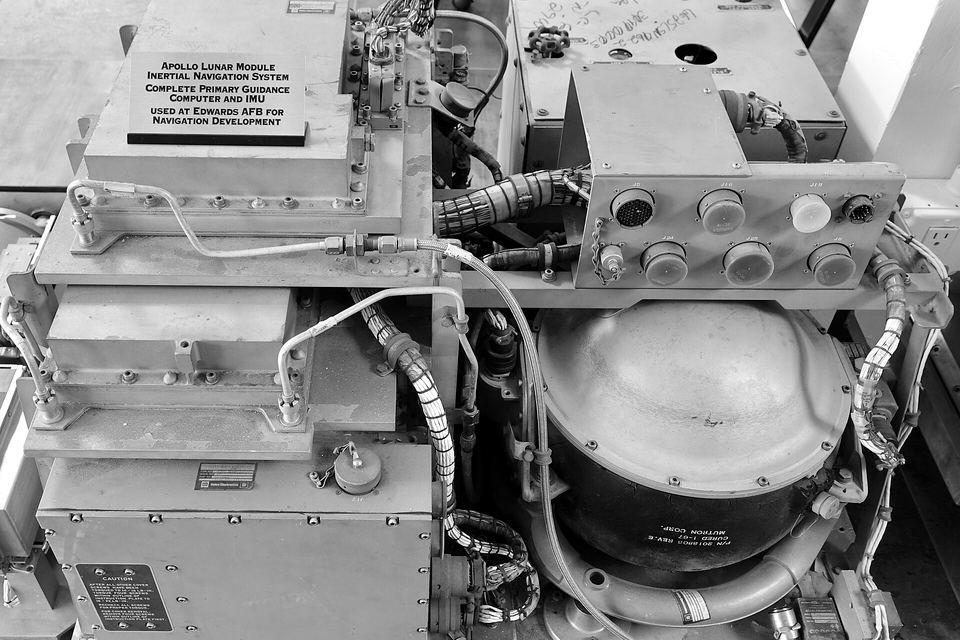
She led the MIT team that wrote the Apollo flight software, helped turn programming into an engineering discipline, and built in the safeguards that kept Apollo 11’s landing on track.
Spaceflight
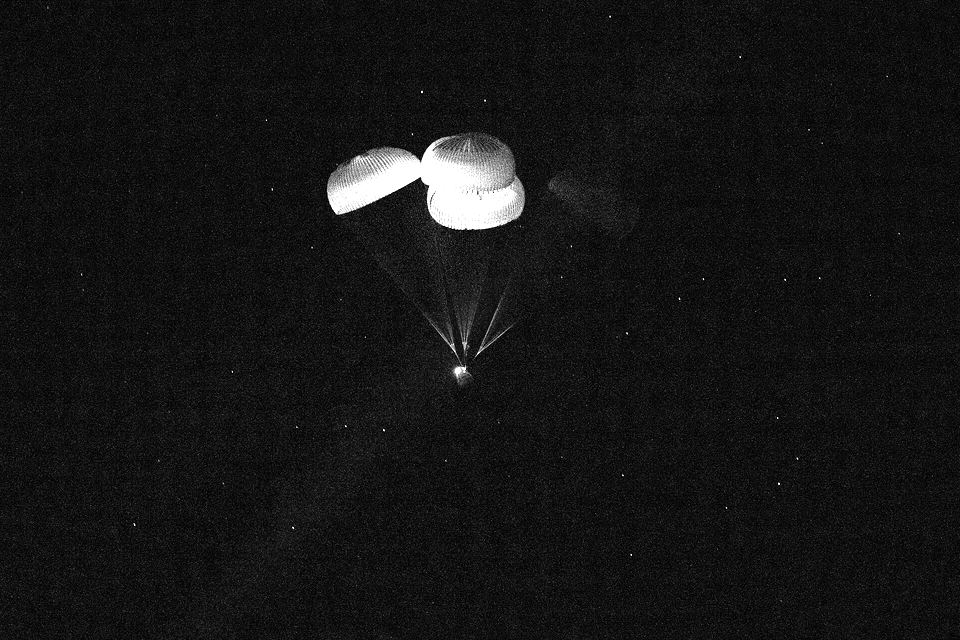
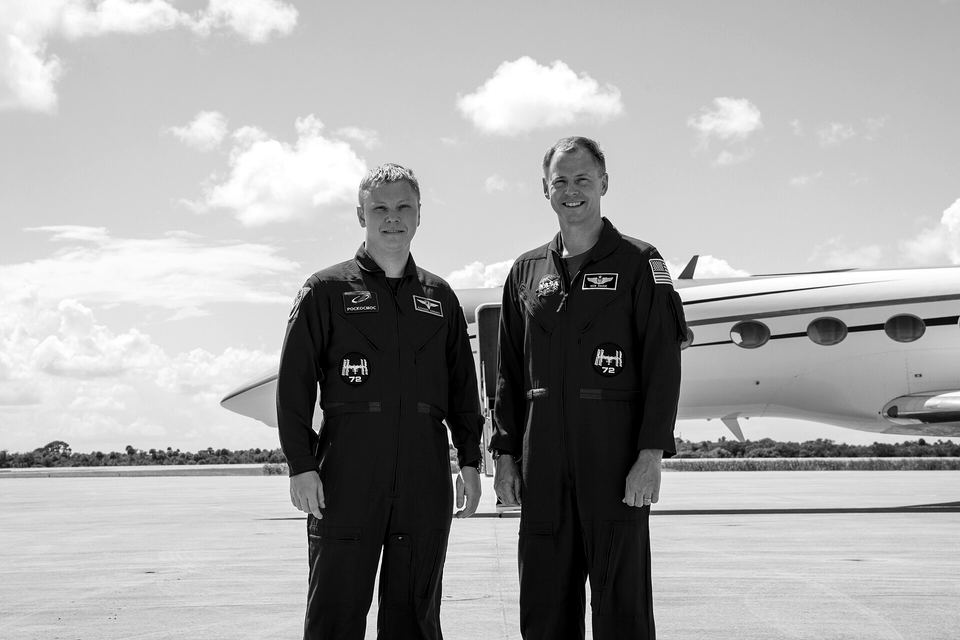
The crew that rushed to orbit in February to replace colleagues sent home after a medical emergency splashed down in the Pacific off Los Angeles, three weeks later than planned.
Nobel Prizes
The French and Japanese chemists showed how reactions can amplify a small tilt toward one mirror-image form of a molecule, a puzzle at the heart of both drug design and the origins of life.
Nobel Prizes
The University of Wisconsin-Madison physicist is the sole winner, honored for leading the IceCube observatory and the discovery of high-energy neutrinos from beyond the solar system.
Climate
Federal forecasters say the warming in the tropical Pacific could become the strongest on record, but the agency’s research response will be far smaller than a decade ago.
Medical Technology
The expandable valve, with leaflets made of a synthetic polymer rather than animal tissue, could spare children with congenital heart disease repeated open-heart operations.
Climate
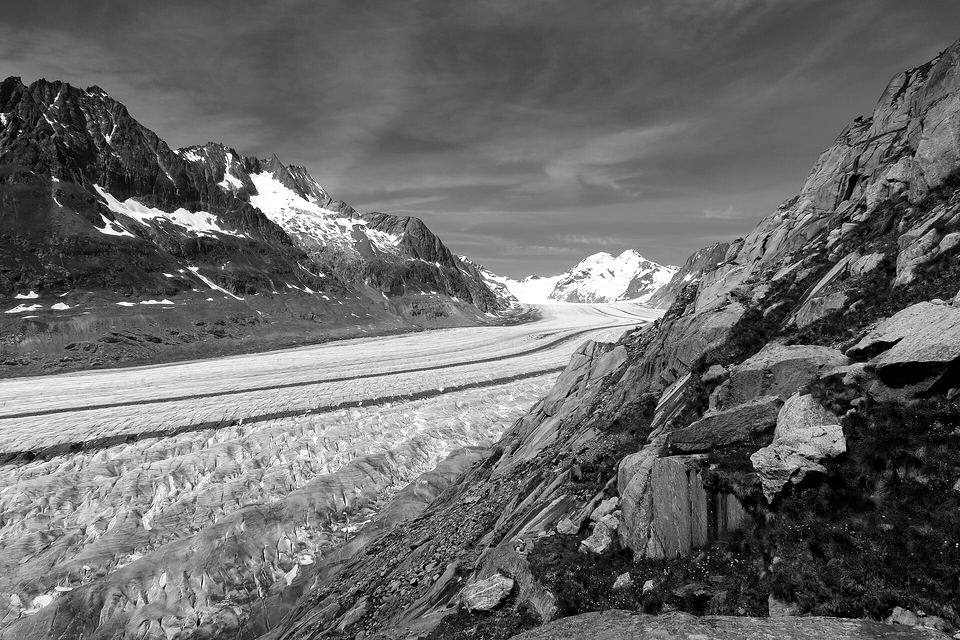
A dry winter and the hottest Swiss summer on record pushed losses to nearly 20 percent of the country’s glacier ice since 2021, monitoring scientists reported.
Space
NASA’s Crew-13 lifted off from Florida after a three-week delay to fix a fuel leak, on a trip to the orbiting laboratory expected to take about eight hours.
Climate
The 10th Copernicus Ocean State Report documents record ocean heat, steadily rising acidity and long marine heat waves in the Mediterranean and Black Sea.
Space
PRIMA, chosen last week as the first of NASA’s mid-priced Probe Explorers, would study how galaxies, planets and cosmic dust formed, with a cost cap of about $1.2 billion and a target launch in 2033.
Spaceflight
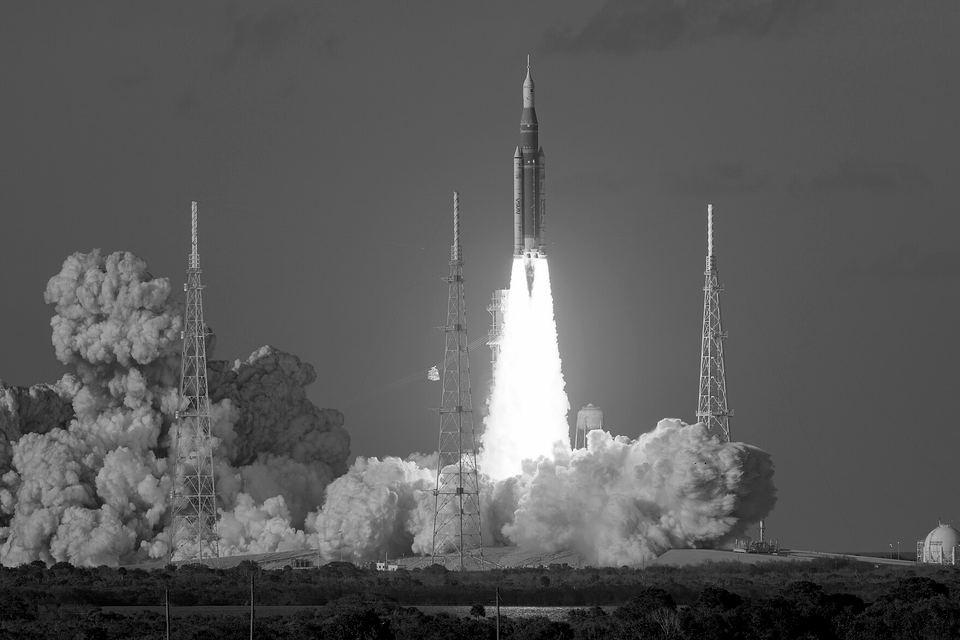
The giant rocket deployed 26 Starlink satellites despite engine trouble, a milestone for the vehicle NASA is counting on to land astronauts on the moon.