Science · Climate
A Possibly Record El Niño Is Building, and NOAA Is Studying It With Less
Federal forecasters say the warming in the tropical Pacific could become the strongest on record, but the agency’s research response will be far smaller than a decade ago.
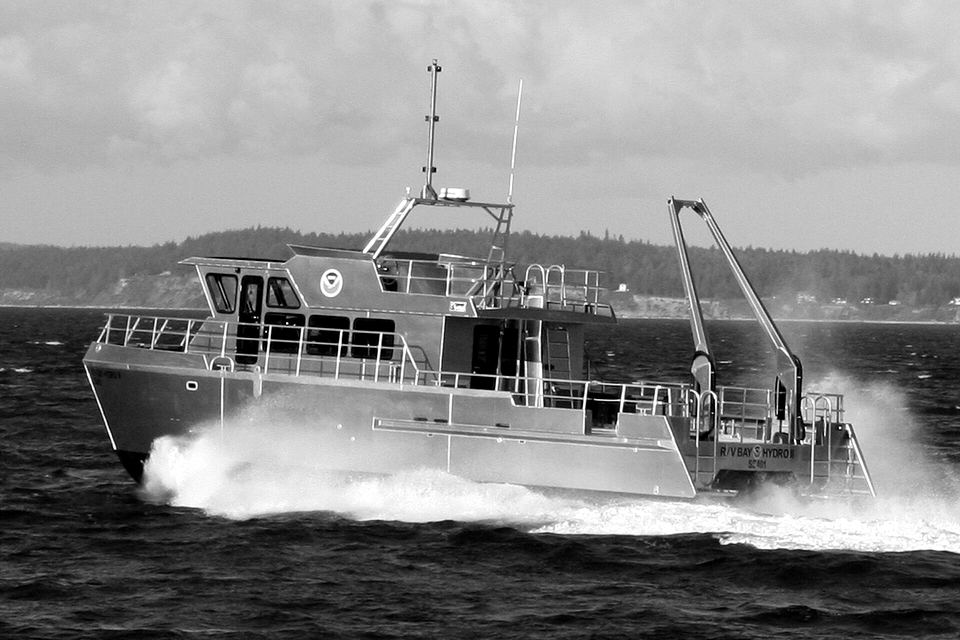

The El Niño now gathering strength in the Pacific Ocean could become the most powerful ever measured, federal forecasters say, and scientists see it as a rare chance to learn more about one of the biggest forces shaping the world’s weather. The National Oceanic and Atmospheric Administration, however, plans a much smaller research effort than it mounted for the last major event.
El Niño develops when a vast stretch of the eastern Pacific near the equator warms, releasing heat into the atmosphere and shifting weather patterns around the globe. Forecasters classify an event as very strong when ocean temperatures in a key monitoring region off South America run more than 2 degrees Celsius above average. This year’s El Niño is already the strongest recorded for this time of year, NPR reported, and in its September outlook NOAA’s Climate Prediction Center gave a greater than 90 percent chance of a very strong event this fall and winter and a 75 percent chance that, during October through December, it would surpass every El Niño on record since 1950. Forecasters expect it to last into early 2027.
The effects can be sweeping. In the United States, El Niño tends to push the jet stream south, bringing heavier rain and flood risk to the southern states while the northern tier turns warmer and drier. It can ease drought in the Southwest, and climate experts told NPR that California is more likely than not to see extreme rain this winter. Globally, the United Nations World Food Programme estimates that El Niño could push at least 49 million more people into acute food insecurity by the end of 2027. El Niño years also tend to set global temperature records, and forecasters say 2027 could be one.
During the last very strong event, in 2015 and 2016, NOAA organized a rapid-response campaign that sent a research ship, aircraft, weather balloons and a NASA Global Hawk drone into the Pacific to collect data, much of it in places where observations are scarce. Agency scientists recommended afterward that NOAA be ready to repeat the effort.
This time the agency is sending a handful of uncrewed sea drones and says it will not match the earlier field campaign, according to NPR. Other projects depend on a budget that Congress may not pass until December, when El Niño typically peaks. The administration has also proposed eliminating NOAA’s main research office, and the agency has lost more than 2,000 staff since early 2025, largely through retirements and dismissals.
Researchers say timing is everything. You can analyze an event for decades afterward, but you can only gather the observations while it is happening, said Randy Dole, a retired NOAA scientist who helped lead the 2016 campaign. Daniel Swain, a climate scientist with the University of California’s agriculture division, called the event a big natural experiment, while noting that it is likely to hurt many people.
NOAA has said its uncrewed vessels will still gather data from the El Niño zone, and routine forecasting continues. Scientists counter that a fuller set of observations now could sharpen future warnings of floods and droughts, and help answer whether a warming climate is making El Niño events more intense.
Sources
- NPR, Oct. 1, 2026: NOAA’s scaled-back response, 2015-16 rapid-response campaign, uncrewed watercraft, budget timing, proposal to eliminate NOAA research office, loss of more than 2,000 staff, quotes from Randy Dole and Daniel Swain
- NPR, Oct. 5, 2026: definition of a very strong El Niño, strongest on record for the time of year, lasting into early 2027, regional United States effects, World Food Programme estimate of 49 million, temperature records
- NOAA Climate Prediction Center, Sept. 10, 2026: ENSO diagnostic discussion with El Niño advisory, greater than 90 percent chance of a very strong event in fall and winter 2026-27, 75 percent chance of a historic event exceeding any since 1950 in October-December
This article was drafted with automated tools from the sources listed, checked by a review pass, and published by Daniel Varrone. Corrections: editor@monochromechronicles.com