Science · Spaceflight
SpaceX’s Starship Reaches Orbit for the First Time, Then Ends Its Flight Early
The giant rocket deployed 26 Starlink satellites despite engine trouble, a milestone for the vehicle NASA is counting on to land astronauts on the moon.
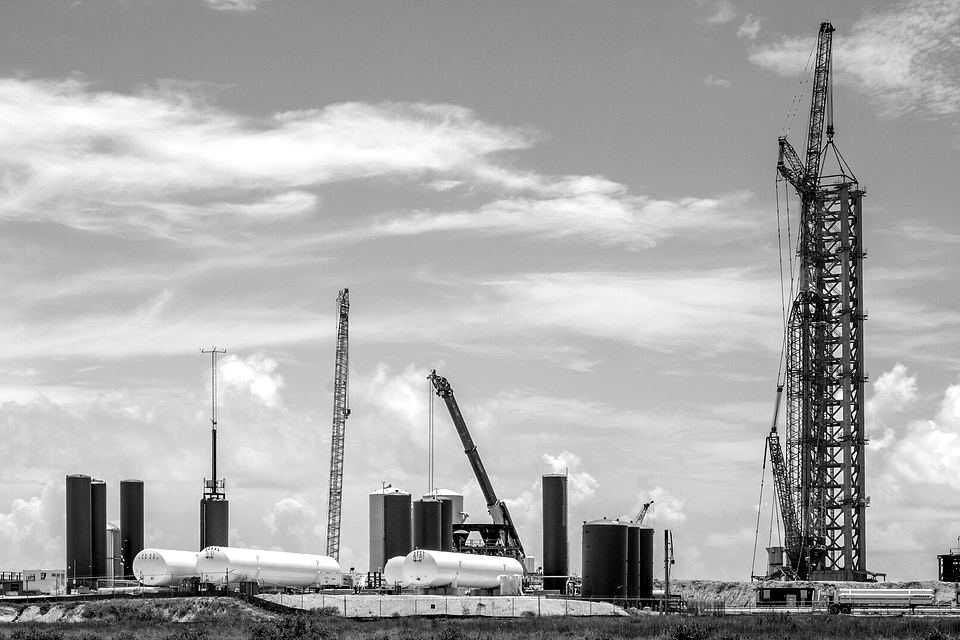

SpaceX’s Starship, the largest and most powerful rocket ever flown, reached orbit for the first time on Monday, deploying a batch of satellites before mission managers cut the flight short and brought the spacecraft down in the Pacific Ocean about three hours after launch.
The rocket lifted off at 8:49 a.m. Eastern time from SpaceX’s Starbase site on the Texas Gulf Coast. Its Super Heavy booster, powered by 33 Raptor engines, lost one engine early in the climb, a failure it is designed to tolerate. After separating, the booster turned back and splashed down in the Gulf of Mexico as planned rather than returning to the launch tower.
The upper stage had its own trouble. One of its six engines shut down too soon, and for several tense minutes it was unclear whether the ship would make orbit. Flight controllers reviewed the data, judged the vehicle otherwise healthy, and relit a single engine to finish the climb, placing Starship in an orbit roughly 170 to 180 miles above Earth. Earlier test flights had followed suborbital paths that only briefly touched space.
Once in orbit, the ship released 26 of SpaceX’s newest, larger Starlink internet satellites, the first time Starship has carried operational payloads. The original plan called for about six laps around Earth and a splashdown off Chile in the evening. Instead, with the satellites deployed, controllers chose to end the mission after a couple of orbits. The company did not give a detailed reason, though Elon Musk had said earlier that SpaceX intended to be very cautious about debris falling over populated areas. The ship reentered, slowed itself, and made a controlled splashdown north of Hawaii, after which it tipped over and exploded, as Starships typically do after ocean landings.
NASA Administrator Jared Isaacman congratulated the company and praised how it handled each step of the flight safely. The agency has a large stake in Starship’s progress. A version of the vehicle is one of two commercial landers NASA is paying to develop for its Artemis program; the other is Blue Origin’s Blue Moon. Under current plans, astronauts would test docking with prototype landers in Earth orbit next year, with a crewed landing on the moon targeted for no earlier than 2028.
That schedule remains a stretch. A Starship lunar lander would need to be refueled in orbit by as many as 15 tanker flights before heading to the moon, and many outside observers doubt that a lander certified to carry crew will be ready by 2028. NASA, for its part, struck an optimistic note, with Isaacman saying the agency and the public are eager to see Starship flights become routine. Reaching orbit and delivering a working payload were the steps the program had long been waiting for.
SpaceX says its next flight may try to catch the upper stage with the mechanical arms of the launch tower, a maneuver it has already performed several times with the booster; Musk has put the odds of success at roughly even. The company is also finishing additional Starship launch pads in Florida.
Sources
- Associated Press via NBC News, Sept. 28, 2026: Starship reaches orbit for the first time on Monday; one engine shut down too soon and the ship nearly failed to reach orbit; altitude of about 170 miles; 26 Starlink satellites deployed; flight planned for about six laps ending near Chile, ended early with splashdown north of Hawaii about three hours after liftoff; Musk’s caution about debris over populated areas; Isaacman’s congratulations; Artemis III docking test next year and Artemis IV landing no earlier than 2028 with Starship or Blue Moon; possible tower catch of the ship with Musk’s roughly even odds; Florida launch site
- CBS News, Sept. 28, 2026: liftoff at 8:49 a.m. EDT from Starbase; 33-engine booster lost an engine and splashed down offshore; upper-stage engine shutdown and controllers’ decision to continue; orbit about 180 miles high; 26 third-generation Starlinks, first operational payload; mission ended early with controlled splashdown north of Hawaii and explosion; lunar lander needing up to about 15 tanker flights; booster caught by tower arms four times; Isaacman on routine flights; doubts about a crewed lander by 2028; Blue Origin alternative; Florida pads under construction; Isaacman’s statement
This article was drafted with automated tools from the sources listed, checked by a review pass, and published by Daniel Varrone. Corrections: editor@monochromechronicles.com