Technology · Computing
SpaceX Lines Up About $40 Billion From Apollo to Lease Nvidia Chips
The rocket and satellite company says the deal is the largest committed financing of its kind, a sign of how much borrowed money is flowing into the race for computing power.
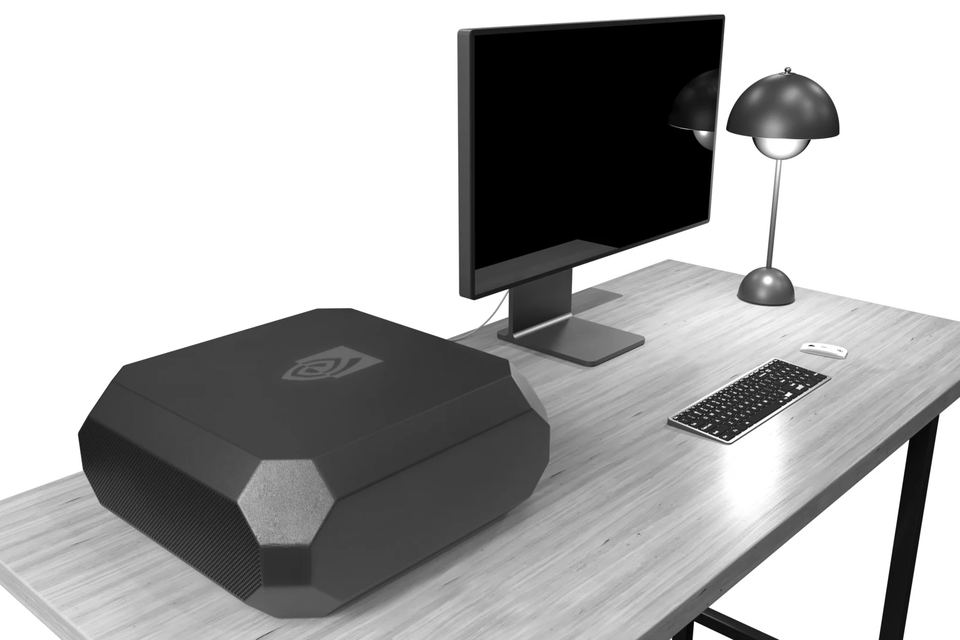

SpaceX said on Monday that it has secured a commitment for roughly $40 billion in financing to obtain artificial intelligence chips and related data center equipment, a deal that underlines how quickly the race for computing power is reshaping the company and the markets that fund it.
Under the arrangement, disclosed in a regulatory filing and in a statement from Apollo Global Management, an entity managed by Apollo will buy the chips and server hardware and lease them to SpaceX. The companies described it as the largest committed financing of graphics processors to date. TechCrunch and NBC News both reported the deal.
The equipment will include Nvidia’s next generation of Vera Rubin chips, which Apollo said will support SpaceX’s buildout of computing capacity on the ground. The deal is expected to close before the end of 2026, subject to conditions, and the leases are expected to start in the first half of 2027 as the hardware is delivered. TechCrunch reported that each lease runs about five years.
Apollo said it and Goldman Sachs led the group of financing parties, with funds managed by BlackRock and Goldman Sachs Asset Management, along with accounts advised by KKR, making anchor commitments.
SpaceX, best known for its rockets and Starlink satellite internet service, has turned increasingly toward artificial intelligence. Its AI business includes the Grok chatbot and cloud computing services sold to outside customers. The company’s chief financial officer, Bret Johnsen, said in the announcement that SpaceX wants to deploy the largest computing infrastructure in the world, that demand for computing keeps accelerating and that the lease helps diversify its sources of funding. He also said the company is seeing payback periods of less than a year on its AI infrastructure.
Leasing rather than buying lets a company add expensive equipment without paying the full cost up front, spreading the bill over years. For lenders like Apollo, the deal offers steady payments backed by hardware in high demand.
The arrangement arrives during a period of strain in the markets that finance AI infrastructure, TechCrunch noted, as smaller companies that rent out graphics processors have found borrowing harder. Elon Musk, SpaceX’s chief executive, has argued that debt markets have largely closed to companies without substantial revenue beyond data centers.
There are reasons for caution. The company’s claim of a payback period under one year is its own and has not been independently verified, and chips used for AI can lose value quickly as newer generations arrive, leaving long leases tied to aging hardware. Critics of the broader AI spending boom warn that heavy borrowing to buy chips could magnify losses if demand cools.
Supporters counter that companies with real customers and revenue, as SpaceX says it has, are best placed to use such financing, and that the chips are already in short supply.
Sources
- TechCrunch, Oct 26, 2026: roughly $40 billion financing disclosed in a regulatory filing, Apollo-managed entity buys and leases hardware, Vera Rubin chips, close by year-end, leases from first half of 2027 lasting about five years, CFO Johnsen comments, AI debt-market strain, Musk’s comments
- Apollo Global Management, Oct 26, 2026: press release on the approximately $40 billion master finance lease, largest committed GPU financing, Vera Rubin chips, Goldman Sachs, BlackRock and KKR participation, closing and lease timeline, CFO quotes
- NBC News, Oct 26, 2026: SpaceX said it secured $40 billion to buy Nvidia graphics processors
This article was drafted with automated tools from the sources listed, checked by a review pass, and published by Daniel Varrone. Corrections: editor@monochromechronicles.com