Nation · Midterms
Early Voting Surges Past 20 Million, but Experts Caution Against Overreading It
Ballots are arriving at a faster pace than in 2022 in several battleground states, and registered Democrats lead among early voters. Analysts say that does not necessarily mean higher turnout overall.
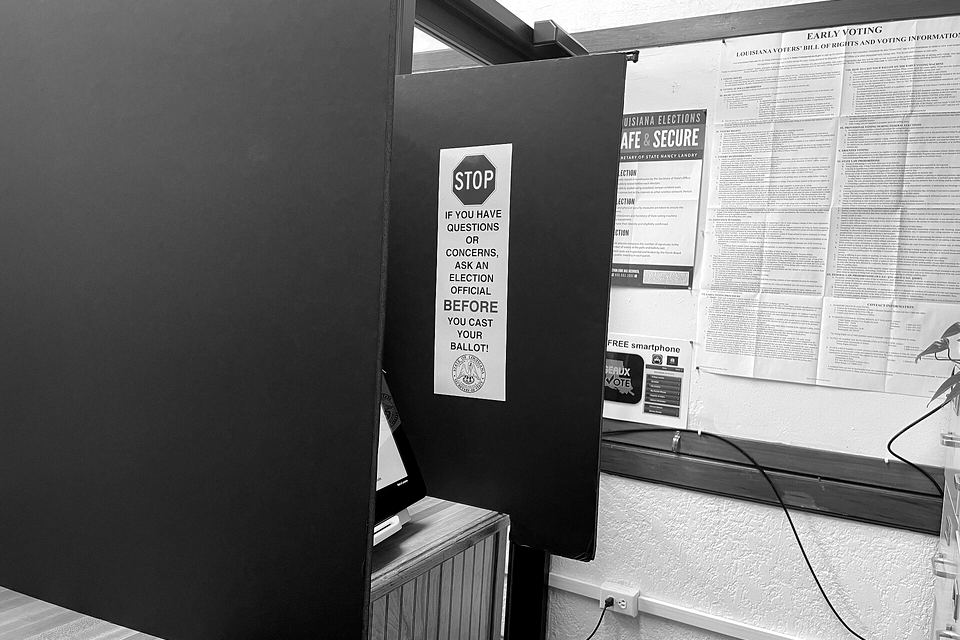

More than 20 million Americans had already cast ballots in the midterm elections by Friday, with early voting running well ahead of the pace of 2022 in several of the states expected to decide control of Congress, according to the University of Florida’s Election Lab, which tracks mail and in-person voting.
NPR, citing the lab, put the total at nearly 21 million as of Friday morning; by Friday afternoon The Guardian counted more than 23 million. Among battleground states, Georgia had recorded about 1.5 million early ballots through Thursday and North Carolina had accepted more than 1.2 million, IBTimes UK reported.
The partisan makeup of the early vote has drawn attention. Registered Democrats accounted for about 45 percent of early ballots and registered Republicans about 30 percent, according to figures compiled by The Guardian, which track party registration rather than how anyone actually voted. Democratic and unaffiliated voters were outpacing Republicans in Kansas, Maine, Iowa and Nebraska, IBTimes UK reported, citing Michael McDonald of the University of Florida. The Guardian, citing TargetSmart data reported by NBC News, said more than 57 million mail ballots had been requested or sent nationally, above the roughly 52 million requested in 2022.
Analysts warn against treating those numbers as a forecast. Charles Stewart, a political scientist at MIT and founding director of its Election Data and Science Lab, told NPR that many people who vote early would have voted on Election Day anyway, so a surge in early ballots does not necessarily mean more Americans will vote in total. He said the rise reflects both voter enthusiasm and the large sums campaigns are spending on door-to-door efforts to get supporters to vote early.
That caution applies to the partisan split as well. Republicans have historically been more likely than Democrats to vote in person on Election Day, so an early Democratic lead can shrink once those votes are counted. Stewart said Democrats still hold an edge in mail voting, but a smaller one than in 2022, as more of them shift to early in-person voting, and that Republicans’ slight advantage in early in-person voting could also narrow.
Some Republican strategists have worried aloud that the early numbers point to a lack of enthusiasm among their voters, frustrated by high gas prices, the war with Iran and tariffs, The Guardian reported. Democrats, buoyed by the president’s low approval ratings and voter anger over the cost of living, hope to compete in places they have not won in years.
Stewart said early activity stood out in Maine and Iowa, states that have not been major battlegrounds in recent elections, which he attributed to both voter interest and campaign mobilization.
Mail voting has continued despite the administration’s efforts to restrict it. In September the Supreme Court refused to let the administration enforce new Postal Service rules for mail ballots that grew out of a March executive order, leaving them blocked for this election, Gray Media’s Washington bureau reported. Election Day is November 3.
Sources
- NPR, Oct. 23, 2026: nearly 21 million early ballots as of Friday morning per the University of Florida Election Lab, Charles Stewart interview on turnout, mail and in-person shifts, Maine and Iowa
- The Guardian, Oct. 23, 2026: more than 23 million ballots by Friday afternoon, 45 to 30 percent party registration split, TargetSmart and NBC News mail ballot figures, Republican strategists’ concerns
- IBTimes UK, Oct. 24, 2026: about 1.5 million early ballots in Georgia through Thursday, more than 1.2 million accepted in North Carolina, more than 23 million nationally, Michael McDonald on Democratic and unaffiliated voters outpacing Republicans in Kansas, Maine, Iowa and Nebraska
- WCAX (Gray DC Bureau), Sept. 15, 2026: Supreme Court refuses to let Postal Service mail-ballot rules stemming from a March 31 executive order take effect for the 2026 election
This article was drafted with automated tools from the sources listed, checked by a review pass, and published by Daniel Varrone. Corrections: editor@monochromechronicles.com