Health · Cancer Research
Personalized mRNA Vaccine Cuts Melanoma Recurrence in Large Trial
Adding a custom-made vaccine to standard immunotherapy reduced the risk of the cancer returning or death by 42 percent at about two years, a result the companies call the first of its kind in a late-stage trial.
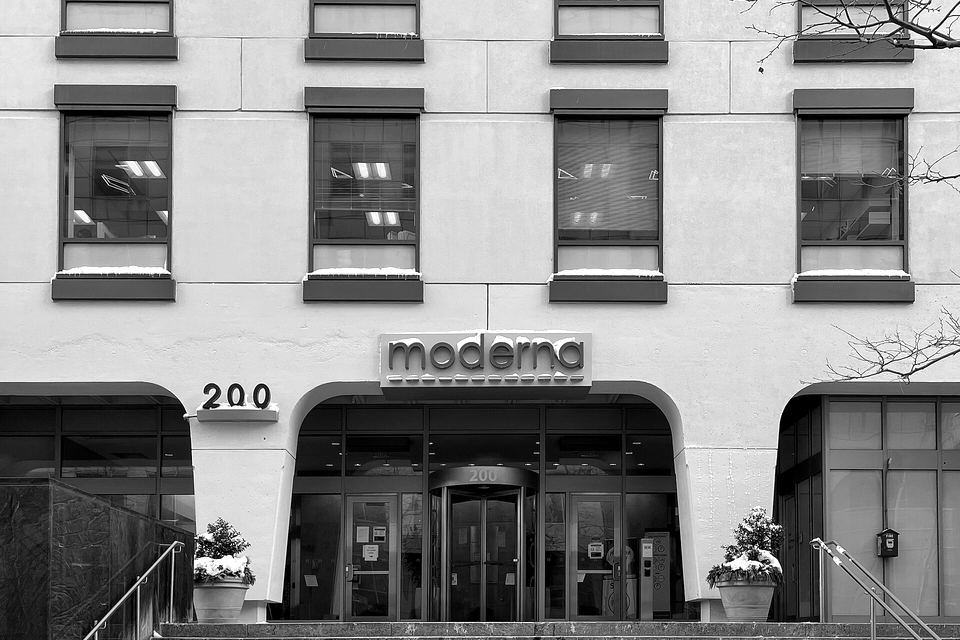

A cancer vaccine built to match the genetic mutations in each patient’s own tumor significantly reduced the chance that melanoma would return, according to results from a large late-stage clinical trial; the companies called it the first positive phase 3 result for an individualized neoantigen therapy.
The vaccine, intismeran autogene, is being developed jointly by Merck and Moderna using messenger RNA technology. In the trial, 1,137 patients whose melanoma had been surgically removed but who were at high risk of recurrence received a year of the immunotherapy drug pembrolizumab, sold by Merck as Keytruda. Some also received the personalized vaccine.
After a median follow-up of about two years, the combination reduced the risk of recurrence or death by 42 percent compared with pembrolizumab alone, the companies said. About 82 percent of patients who received both treatments were alive and free of cancer after two years, compared with about 70 percent of those who received immunotherapy alone. The combination also lowered the risk that the cancer would spread to distant organs, or of death, by 38 percent.
Each vaccine is made to order. Researchers sequence a patient’s tumor and design a vaccine targeting up to 34 mutations unique to that cancer, which trains the immune system to recognize and attack melanoma cells. The global trial was led by Georgina Long, medical director of Melanoma Institute Australia, who said the results could make a foundational shift in how patients with earlier-stage melanoma are treated after surgery.
The full results are being presented at the European Society for Medical Oncology congress in Madrid and have been accepted for publication in The New England Journal of Medicine, according to The Guardian.
Important questions remain. The companies said overall survival data are not yet mature, though they reported a favorable trend, and that it is too early to say whether the combination extends lives over the long term. The benefit did not appear in the first six months, while patients were still receiving the vaccine regimen; the gap opened afterward. Jessamy Tiffen of the Centenary Institute in Sydney, who was not involved, told The Guardian that a significant share of patients do not respond to the vaccine and that cancer cells can adapt to evade treatment, so only time will show how durable the benefit is.
The safety profile was generally consistent with earlier studies of the combination, and no new safety signals were seen, according to the companies.
The result is the latest sign that mRNA technology may find broad uses in medicine beyond infectious disease. Merck and Moderna said they are running nine phase 2 and phase 3 trials of the vaccine, including three late-stage studies in non-small cell lung cancer. The treatment has not yet been approved by regulators, and a phase 3 success is typically required before agencies will consider it for general use.
Sources
- Merck and Moderna, Oct. 22, 2026: press release on the phase 3 INTerpath-001 results, 42 percent and 38 percent risk reductions, median follow-up of 24.6 months, first-six-months data, overall survival not mature, safety, ESMO presentation, nine-trial program
- The Guardian, Oct. 23, 2026: 1,137 patients, 82 percent versus 70 percent recurrence-free, up to 34 mutations, Jessamy Tiffen comments, NEJM acceptance
- Healio, Oct. 23, 2026: ESMO Congress 2026 in Madrid, Oct. 23 to 27; Georgina Long’s title as medical director and principal investigator; foundational shift in adjuvant melanoma treatment
- CURE, Aug. 20, 2026: Merck and Moderna called it the first positive phase 3 result for an individualized neoantigen therapy
This article was drafted with automated tools from the sources listed, checked by a review pass, and published by Daniel Varrone. Corrections: editor@monochromechronicles.com