Nation · Farm Economy
Trump Announces $8 Billion in Aid to Help Farmers Cover Soaring Diesel Costs
The payments arrive at harvest and two weeks before the midterms, as fuel prices driven up by the war with Iran squeeze growers. Critics say the aid patches over damage from the administration’s own policies.
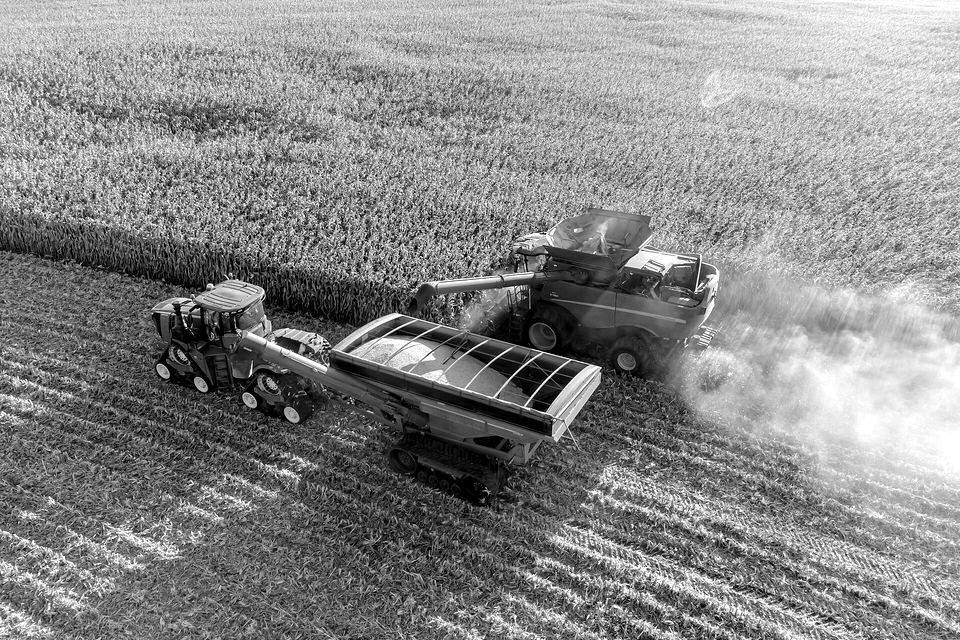

President Trump on Monday night announced an $8 billion Agriculture Department program to help farmers offset the cost of diesel fuel during the fall harvest, the latest in a series of federal aid packages for a farm economy strained by high fuel prices and trade disputes.
Trump unveiled the program, called Harvest Fuel Relief, at a rally in Kansas. The payments are meant to cover part of farmers’ estimated losses for the 2026 crop year, CBS News reported. Farmers will not need crop insurance to qualify. The Agriculture Department will calculate payments with a standard formula based on the acreage farmers report to the Farm Service Agency, estimated production costs, and crop yields and prices from the department’s monthly supply and demand estimates. Payment rates for major commodity crops are due in November, with details for other products to follow.
Agriculture Secretary Brooke Rollins said the money would give farmers certainty during the harvest so they can keep feeding the country. Trump told the crowd, “When Republicans win, we will pass even more funding for our farmers.”
The pressure on farmers is real. Diesel hit a record of more than $6.50 a gallon in late September and has eased only slightly since, with the national average now about $6.32, compared with $3.62 a year ago, according to AAA figures cited by CBS. Prices have climbed since the start of the war with Iran, which has disrupted oil supplies. The Agriculture Department expects net farm income to fall 2.6 percent this year while production costs rise 4.5 percent, and it projects fuel and oil expenses to jump nearly 30 percent.
The program follows a $12 billion aid package the administration announced last December to offset losses from tariffs and trade policy, and an executive order earlier this month that eased limits on the tax-free use of dyed diesel by farmers and truckers.
Supporters argue that growers are facing costs they cannot control at the most fuel-intensive time of year, and that help now keeps farms operating. Critics see a pattern. Gbenga Ajilore, chief economist at the Center on Budget and Policy Priorities and a former Agriculture Department adviser, told CBS that farmers would gain more from ending the war, which would likely lower energy prices, and from ending tariffs, and he described taxpayer aid that offsets damage from the administration’s own policies as an election-season habit dating to Trump’s first term.
The politics of the farm belt are shifting. The New York Times, in a report republished by GV Wire, said this week that tariffs, higher fuel and fertilizer costs and cuts to Medicaid that affect rural hospitals have strained rural support for Republicans, helping make Senate races in Kansas, Iowa and Texas competitive. The Times also reported that the American Farm Bureau Federation projects losses on most crops through 2027 and that farm debt is at record levels. The paper could not independently confirm that reporting.
Farmers can prepare to apply by setting up an account through Login.gov linked to the Agriculture Department, according to CBS.
Sources
- CBS News, Oct. 20, 2026: $8 billion Harvest Fuel Relief program announced at a Kansas rally on Monday night, Oct. 19; eligibility and payment formula; November timing; AAA diesel prices; USDA farm income and cost forecasts; December $12 billion package; dyed diesel order; Rollins and Trump remarks; Ajilore’s criticism
- Reuters, Oct. 20, 2026: United States to launch $8 billion support program for farmers to offset diesel costs, Trump says
- The New York Times (via GV Wire), Oct. 18-20, 2026: rural economic discontent straining the Republican coalition; tariffs, fuel and fertilizer costs; competitive Senate races in Kansas, Iowa and Texas; Farm Bureau loss projections; record farm debt
This article was drafted with automated tools from the sources listed, checked by a review pass, and published by Daniel Varrone. Corrections: editor@monochromechronicles.com