Opinion · Editorial
Voters Already Knew What September’s Price Report Confirmed
A war-driven fuel shock is pushing up the cost of nearly everything while paychecks lag. The response should be honest about causes, protect the people squeezed hardest and leave the Federal Reserve free to do its job.
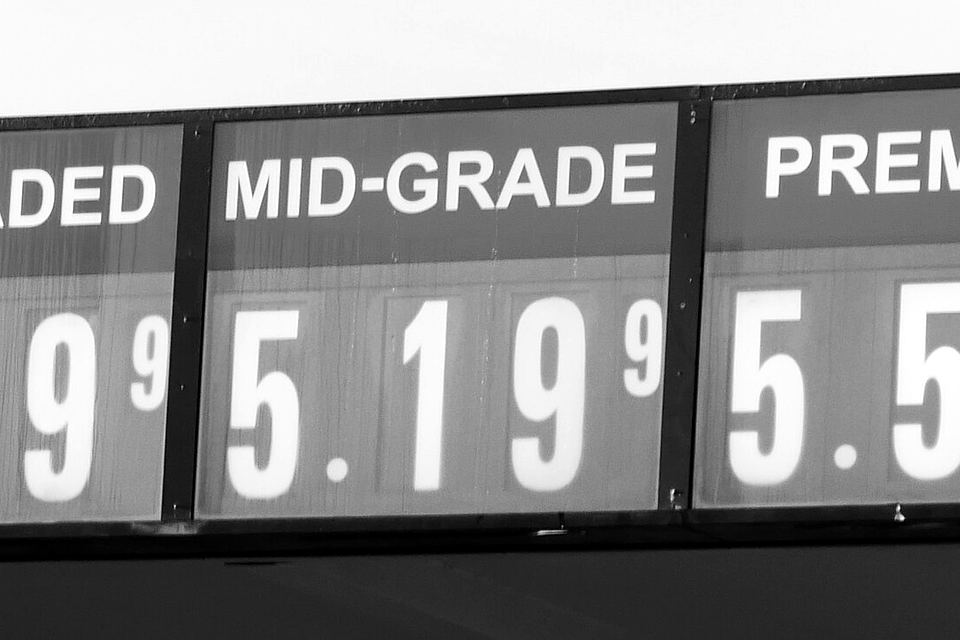

No one who has filled a tank, paid a delivery fee or bought a plane ticket this fall needed Wednesday’s report to know that prices are rising. Still, the numbers deserve attention. Consumer prices rose 3.7 percent from a year earlier in September and 0.6 percent in that month alone, with gasoline accounting for more than half the jump. Paychecks, growing at about 3 percent a year, have not kept pace with prices since March.
The cause is not a mystery. Oil has risen from about $80 a barrel in August to more than $106. Gasoline is up roughly 45 percent and diesel about 70 percent since the United States and Israel went to war with Iran in February, and diesel’s cost rides along on every truck that stocks a store. On the same day, the Social Security Administration announced a 3.6 percent raise for retirees next year, the largest in four years, which tells you how much ground older Americans have already lost.
The White House’s chief economic adviser, Kevin Hassett, called the figure “a disappointing number” and blamed the energy shock. He has a point worth taking seriously. Excluding food and energy, inflation stood at 2.6 percent, not far above the Fed’s target, and grocery prices actually dipped last month. This is, in large part, a fuel crisis rather than an economy running out of control.
But a fuel crisis caused by a war is still a policy matter, and the response so far has been more improvisation than plan. The administration’s emergency steps have not stopped the climb, and its latest move, a sanctions waiver for Russian diesel, drew a letter this week from senators of both parties asking that it be withdrawn.
Three principles should guide what comes next. First, relief should go where the pain is concentrated: lower-income households, rural drivers, farmers and small freight operators, rather than across-the-board gestures timed to an election. Second, leaders should be straight with the public about the trade-offs of a war that is costing Americans at the pump every week. Third, the Federal Reserve must be left to make its decision at the end of the month without political pressure. Traders now see better-than-even odds of a rate increase, which would make credit card balances and car loans more expensive. That would be painful. A central bank bent to suit the calendar would be worse, because the cost of lost credibility is paid in years of higher inflation.
There is a temptation, three weeks before an election, to treat inflation as a scoreboard. Families do not experience it that way. They experience a grocery run that costs more, a commute that eats a bigger share of a paycheck, a retirement check that buys less than it did. The honest answer is that some of this will ease only when the war that drove it eases, and that in the meantime government can cushion the blow for those least able to absorb it.
Voters will render their judgment on Nov. 3. Whatever they decide, the people they elect should start from the facts in this report rather than from slogans about it.
Sources
- Bureau of Labor Statistics, Oct. 14, 2026: September CPI up 3.7% over 12 months and 0.6% for the month, core at 2.6%, gasoline up 9.1% for the month
- NBC News, Oct. 14, 2026: gasoline more than half of the increase, wages near 3% and lagging inflation since March, oil from about $80 to more than $106, gasoline up 45% and diesel up 70% since the Iran war began, groceries among declining categories, Hassett’s ‘disappointing number’ comment, odds of an October rate increase above 55%
- CBS News, Oct. 14, 2026: 3.6% Social Security cost-of-living adjustment, largest in four years
- CBS News, Oct. 13, 2026: bipartisan senators’ letter urging withdrawal of the Russian diesel sanctions waiver
This editorial was drafted with automated tools from the sources listed, checked by a review pass, and published by Daniel Varrone. Corrections: editor@monochromechronicles.com