Opinion · Editorial
Cheaper Diesel Is Worth Fighting For, but Not on Moscow’s Terms
Families and farmers need relief from fuel prices. A sanctions waiver negotiated with Vladimir Putin, over the objections of senators from both parties, is the wrong way to get it.
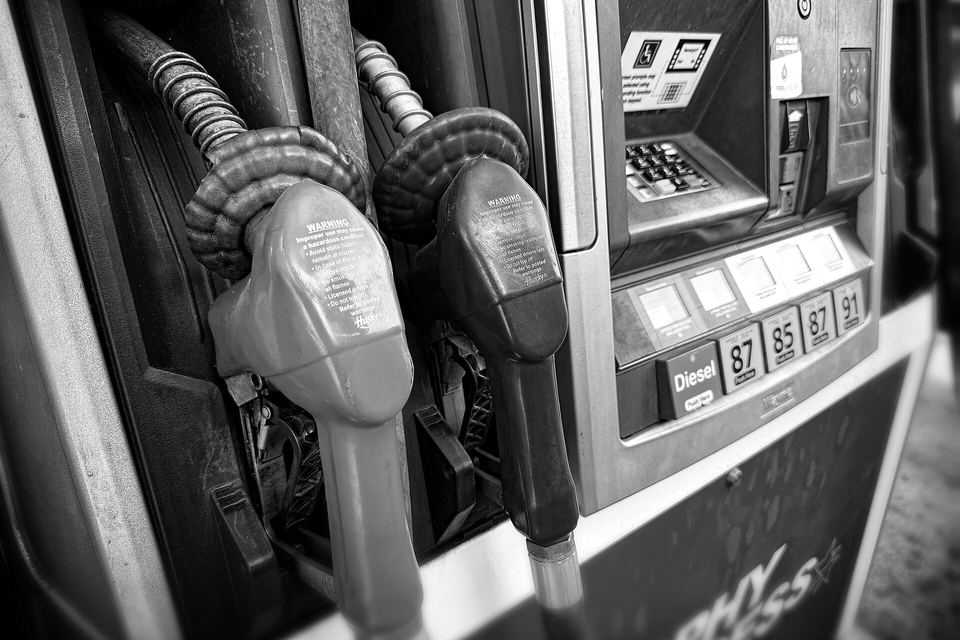

Few things in this economy hurt as widely as the price of diesel. It runs the trucks that stock grocery shelves, the tractors bringing in this year’s harvest and the buses that take children to school. Since the war with Iran began, the cost of filling those tanks has soared, and every household feels it at the checkout line. A president who promises relief is responding to a real emergency.
But the relief President Donald Trump announced last week comes from the one place it should not. After a call with Vladimir Putin, Trump said Russia would release more than 300,000 tons of diesel at once and millions more over the coming months, and the Treasury Department issued a license allowing Russian diesel to be bought, shipped and imported, into the United States included, until April 2027. On Tuesday, twelve senators, six of them Republicans, asked him to reverse course, calling the arrangement “a gift to our adversary and a betrayal of our Allies.”
They are right, and the reasons go beyond Ukraine. Only last month Congress passed, and the president signed, a law meant to squeeze the revenue that pays for Russia’s war, including tariffs on countries that buy its oil. A waiver that lets Moscow sell more fuel works directly against that law’s purpose. It tells Ukraine, and the European allies who have paid a high price to stand by it, that American commitments can be traded for a short-term political benefit weeks before an election. And it rewards a government that, as the senators warned, is deepening its ties with China, Iran and North Korea.
There is also reason to doubt the deal will deliver what it promises. The senators, who acknowledged the need to bring prices down, concluded that it would offer little to no relief and have a negligible effect on what Americans pay. Russian diesel enters a global market; the president himself said Tuesday that the fuel is for the world, not specifically for the United States. When asked whether Russia might spend the proceeds on weapons, he answered, “Nobody’s telling me anything.” That is not a reassuring way to describe a decision of this weight.
The strongest case for the deal deserves a fair hearing. Fuel markets are tight, and any additional barrels on the world market can, at the margin, ease prices for a trucker in Kansas or a farmer in Iowa. If the choice were truly between Russian diesel and no relief at all, some would reasonably take the diesel.
That is not the choice. Washington can coordinate further releases with allies, help the households and small businesses hit hardest, and press for an end to the conflict that drove prices up in the first place. None of that requires handing Moscow a revenue stream while Congress’s sanctions law sits on the shelf.
Concentrated decisions like this one, made by phone and announced on social media, are exactly why Congress writes sanctions into law. The license can be withdrawn with a stroke of a pen. The president should withdraw it, enforce the law he signed and seek relief for American drivers without asking Ukraine to pay for it.
Sources
- CBS News, Oct. 13, 2026: senators’ letter, quoted language and signers, Treasury waiver, sanctions law signed last month, senators’ view of limited relief and Russia’s ties to China, Iran and North Korea, fuel prices amid the Iran war
- NPR (via OPB), Oct. 13, 2026: tonnage schedule, Trump’s remarks that the diesel is for the world market and ‘Nobody’s telling me anything’
- Treasury Department, Office of Foreign Assets Control, Oct. 9, 2026: General License 135 authorizing Russian diesel transactions, including imports into the United States, through April 7, 2027
This editorial was drafted with automated tools from the sources listed, checked by a review pass, and published by Daniel Varrone. Corrections: editor@monochromechronicles.com