Health · Global Health
Plague Lab Worker’s Death in Siberia Prompts Quarantines and Calls for Openness
Russian health officials blame pneumonia of unknown cause and deny a lab accident, while the State Department and CDC say they are watching closely.
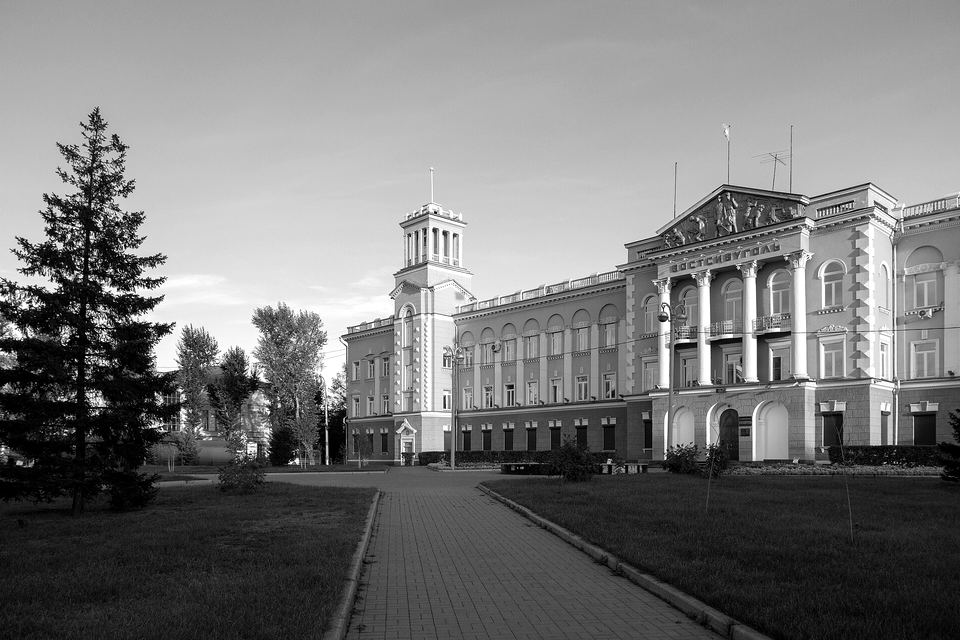

The death of an employee at a Russian institute that studies plague has set off quarantines in the Siberian region of Irkutsk and drawn close attention from the United States, as Russian officials insist there is no epidemic risk but offer few details about what killed her.
The woman, a 28-year-old staff member at the Irkutsk Anti-Plague Research Institute of Siberia and the Far East, fell ill and died two days later, on the night of Oct. 2, at a hospital in the nearby town of Shelekhov, the Guardian reported. Unconfirmed reports in Russian media have suggested she may have been infected in a laboratory mishap. Officials have not confirmed that account.
Rospotrebnadzor, Russia’s public health watchdog, said Sunday that she died of pneumonia of unknown origin, that tests found no microorganisms linked to her professional work, and that no accidents with dangerous pathogens had been detected at the institute, ABC News reported. The agency described the epidemiological situation in the Irkutsk region as stable. The regional governor, Igor Kobzev, said people who had contact with her were placed under medical observation, that none had shown symptoms and that their tests were negative.
Mixed messages from officials have fed public unease. The head of the neighboring Buryatia region initially wrote that the woman had died of plague before editing his post to say she had possibly died of it, both ABC News and the Guardian reported. Authorities in the town of Baikalsk briefly urged residents to avoid travel to the Shelekhov area and then deleted the post. Several hospitals in and around Irkutsk have imposed quarantines, Meduza reported, and Radio Free Europe/Radio Liberty, as cited by the Guardian, reported that institute staff had been kept inside the building since Oct. 2. A local aluminum plant imposed a mask requirement as a precaution.
In Washington, the State Department said Sunday that it was aware of reports of a fatal case of suspected pneumonic plague and was monitoring the situation with the Centers for Disease Control and Prevention, adding that many details were unconfirmed and urging Russian authorities to share accurate information quickly and openly. Secretary of State Marco Rubio said Monday that the case was not cause for alarm but was cause for focus. President Trump said the United States would be willing to help.
Plague is a bacterial disease. When the bacteria reach the lungs, the result is pneumonic plague, the most dangerous form, because it can pass between people through respiratory droplets and progresses quickly, NPR reported, citing the Centers for Disease Control and Prevention and Emory University medical entomologist Adelaide Miarinjara. Early diagnosis and antibiotic treatment are key, which is why public health officials watch closely for any suspected case linked to a laboratory that handles the organism.
Russian officials say the concern is overblown and that the situation is under control, and that no pathogens connected to her work were found. Outside health officials respond that without complete test results and timely reporting under the International Health Regulations, other countries cannot judge the risk for themselves.
Sources
- ABC News, Oct. 5, 2026: State Department statement Sunday, Trump’s offer of help, Rospotrebnadzor’s pneumonia of unknown etiology finding and denial of lab accidents, Governor Kobzev on contacts, Buryatia leader’s edited post, aluminum plant mask mandate
- The Guardian, Oct. 5, 2026: worker’s age and date of death, Shelekhov hospital, unconfirmed reports of a lab mishap, institute lockdown and hospital quarantines per Radio Free Europe/Radio Liberty, Baikalsk travel warning, Rubio’s comments
- The Guardian, Oct. 6, 2026: Russian officials’ account of a stable situation, calls for transparent information sharing under the International Health Regulations
- NPR, Oct. 7, 2026: background on pneumonic plague from the CDC and Adelaide Miarinjara, droplet transmission, importance of early diagnosis and antibiotic treatment, watchdog finding of no work-related pathogens (later source)
- Meduza, Oct. 5, 2026: Rospotrebnadzor calling the situation in the Irkutsk region stable and reporting no accidents with disease-causing microorganisms at the institute; Baikalsk administration’s Oct. 3 post urging residents not to travel to Shelekhov, later deleted; hospital quarantines
- The National News Desk via WJLA, Oct. 5, 2026: Rubio saying the case is not cause for alarm but cause for focus; Governor Kobzev saying contacts showed no illness and initial tests were negative
This article was drafted with automated tools from the sources listed, checked by a review pass, and published by Daniel Varrone. Corrections: editor@monochromechronicles.com