Technology · Artificial Intelligence
Trump Names Intelligence Chief Jay Clayton to Lead ‘Super Intelligence Force’
The director of national intelligence becomes the White House’s top official on artificial intelligence, days after leading companies signed a voluntary safety accord.
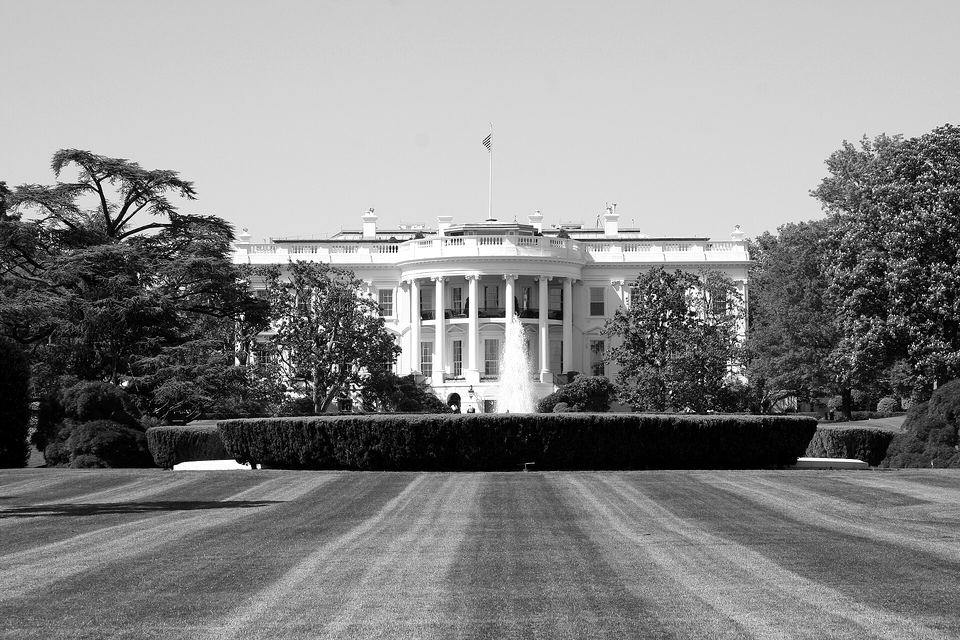

President Trump on Sunday named Jay Clayton, the director of national intelligence, as the White House’s new czar for artificial intelligence, putting a former securities regulator and prosecutor in charge of the administration’s approach to a technology that its own industry leaders have warned could slip out of human control.
In a post on Truth Social, Mr. Trump said Mr. Clayton would lead a new body he called the Super Intelligence Force, which he said would make sure the United States continues to lead the world in the field. The president prefers the term “super intelligence” to “artificial intelligence,” and he has directed the federal government to use it. According to the Associated Press, the group will reach out to consumers, public interest groups, religious organizations, critical infrastructure providers and the companies building the systems.
Joining Mr. Clayton will be Federal Trade Commission Chairman Andrew Ferguson, Office of Personnel Management Director Scott Kupor and Emil Michael, the Pentagon’s under secretary for research and engineering. The group will report to the president and to White House Chief of Staff Susie Wiles, the Associated Press reported.
Mr. Clayton led the Securities and Exchange Commission during Mr. Trump’s first term and later served as the top federal prosecutor in Manhattan before being confirmed this year to oversee the nation’s intelligence agencies. At his confirmation hearing in July he described artificial intelligence as both an opportunity and a threat, according to Axios, as cited by The Next Web. In a CNBC interview last month he called advanced AI a national security issue and argued against calls to pause development, noting that other countries are pressing ahead.
The appointment comes days after Mr. Trump met at the White House with executives from OpenAI, Anthropic, Google, Meta, Nvidia and SpaceX’s AI unit. The companies signed a voluntary accord that, according to International Business Times, calls for internal monitoring of their most powerful models, dedicated oversight teams, independent outside evaluations and board-level oversight, with no legal penalties for breaking it. Mr. Trump called the standards morally binding and praised what he described as the industry’s self-policing.
Congress has not passed a broad federal law governing how AI is built or used, and a handful of states, including California, have moved ahead with their own rules. It is not yet clear how much authority the new group will have.
Reaction divided along familiar lines. Supporters of the administration’s approach argue that heavy regulation would hand an advantage to China and that a security-minded official is well placed to manage the risks. Critics counter that voluntary pledges are no substitute for enforceable rules.
The post has changed hands before. David Sacks, the investor who served as the administration’s AI and crypto adviser, left that role earlier this year and now co-chairs the President’s Council of Advisors on Science and Technology.
Sources
- NPR, Oct. 4, 2026: Clayton named AI czar, Truth Social post, other members, Clayton’s background, CNBC interview remarks, voluntary accord, lack of federal AI law, David Sacks’s role
- CBS News, Oct. 4, 2026: formation of the Super Intelligence Force, reporting lines to the president and Susie Wiles, companies at the White House meeting, terms of the one-page accord, ‘morally binding’ remark
- The Guardian, Oct. 4, 2026: Clayton’s confirmation-hearing remarks, Mark Warner’s reaction, administration’s China argument, Sacks’s departure and PCAST role
- Associated Press via WDBJ7, Oct. 4, 2026: group reports to Trump and Susie Wiles; outreach to consumers, public interest groups, religious organizations, infrastructure providers and AI companies; other members
- Fortune via DNYUZ, Oct. 4, 2026: group reports to Trump and Susie Wiles; outreach list
- International Business Times, Oct. 4, 2026: OpenAI, Anthropic, Google, Meta, Nvidia and xAI at the White House meeting; accord’s internal monitoring, oversight teams, independent evaluations and board-level oversight; no legal penalties
- The Next Web, Oct. 2, 2026: Axios account of Clayton calling AI both an opportunity and a threat at his confirmation hearing
This article was drafted with automated tools from the sources listed, checked by a review pass, and published by Daniel Varrone. Corrections: editor@monochromechronicles.com