Opinion · Editorial
The Diesel Deal Is Welcome, but Threatening Allies Is No Energy Policy
The G7’s emergency release may shave a little off fuel prices. Families, farmers and truckers need a steadier plan than brinkmanship with the countries the United States depends on.
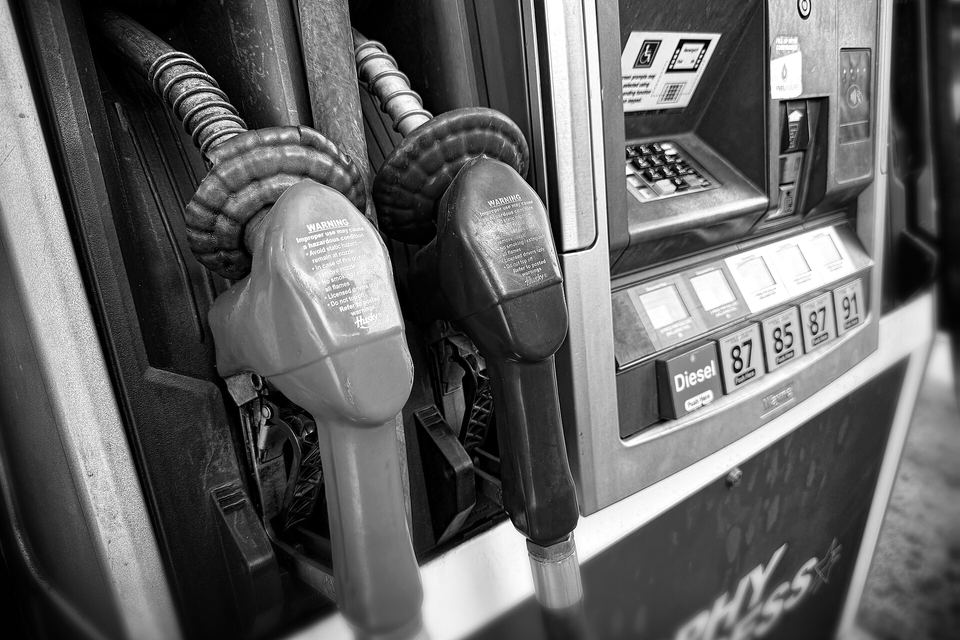

Diesel is not a glamorous fuel, but almost everything Americans buy travels on it. That is why the price on the pump, about $6.37 a gallon this week and roughly 70 percent higher than in late February, according to NBC News, is a tax on groceries, construction, farming and every delivery truck in the country. On Friday the Group of Seven agreed to release up to 100 million barrels of crude and diesel from emergency reserves over four months, with a substantial amount of diesel in the first 20 days. That is good news, and the administration deserves some credit for pushing for it.
It should also be kept in proportion. One oil analyst told NBC the release might lower diesel prices by about 25 cents a gallon, temporarily. Crude pulled from storage still has to be refined, and refineries on both sides of the Atlantic are already running near capacity. Energy agency members released a far larger 400 million barrels in March, and prices resumed their climb soon after. Stockpiles can buy time. They cannot by themselves fix a supply shock rooted in a war that has now lasted more than seven months.
How the deal came about matters too. For a week the administration pressed European governments to draw down their diesel stocks while openly floating a ban on American diesel exports, a step that would have hit Europe hard. The European Commission publicly objected to what it called threats before the G7 call, and Euronews reported that an overnight conversation between President Trump and President Emmanuel Macron appears to have moved France. Mr. Trump then announced on social media that Europe had agreed to release a massive amount of diesel.
The administration’s best argument is a fair one. Europe holds large emergency stocks, and Treasury Secretary Scott Bessent is right that American farmers and truckers should not carry the burden of a global shortage alone. Allies who benefit from American security guarantees can be asked to share the costs of a war that affects them all.
But asking is different from threatening. An export ban would have scrambled markets that are deeply connected, invited retaliation and left American refiners with fewer customers, without making fuel meaningfully cheaper at home. Treating allies as adversaries to be squeezed may produce a headline, but it erodes the trust that coordinated action depends on, and the next crisis will require coordination again.
A steadier policy would start with honesty about the limits of reserves and then focus on what actually lowers costs for households over a winter of high demand: targeted help for farmers, truckers and lower-income families who heat with fuel oil; pressure on refiners to keep maintenance schedules staggered, which the G7 rightly endorsed; investment in efficiency and alternatives that reduce exposure to the next shock; and diplomacy aimed at ending the conflict that caused this one.
Voters have noticed the strain. An NBC News poll found that 41 percent of registered voters approve of the president’s handling of the economy while 56 percent disapprove. Prices at the pump are not entirely in any president’s control. Choosing cooperation over confrontation is.
Sources
- NBC News, October 2, 2026: Diesel at $6.37 a gallon, up about 70 percent since late February; G7 release of up to 100 million barrels over four months with diesel in the first 20 days; analyst Andy Lipow’s 25-cent estimate; refineries near capacity; March 400 million barrel release; Trump’s export-ban consideration and social media post; Bessent statement; NBC poll at 41 percent approve, 56 percent disapprove on the economy
- Euronews, October 2, 2026: IEA-coordinated release and refinery measures; European Commission objection to United States threats; overnight Macron-Trump call; limits of crude releases for diesel supply ahead of winter
- Al Jazeera, October 2, 2026: Trump’s pressure on Europe to release emergency diesel stocks and his announcement that Europe had agreed
This editorial was drafted with automated tools from the sources listed, checked by a review pass, and published by Daniel Varrone. Corrections: editor@monochromechronicles.com