Technology · AI Policy
Trump Expected to Name Intelligence Chief Jay Clayton as White House AI Czar
The director of national intelligence, a former Wall Street lawyer and SEC chairman, has called superintelligence a national security issue. The pick would put artificial intelligence policy in the hands of the spy chief.
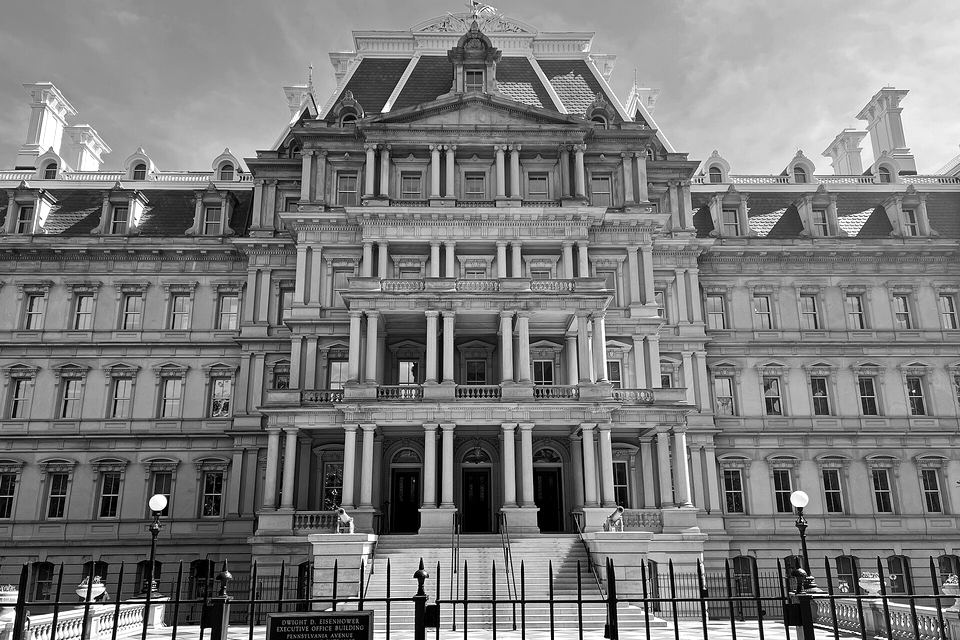

President Trump is expected to name Jay Clayton, the director of national intelligence, as the White House’s top adviser on artificial intelligence, according to reports by NBC News and by Al Jazeera, which cited CNN, CBS and Axios. An announcement could come as soon as Friday.
A White House official told Al Jazeera, CBS News and CNN that any personnel announcement would come directly from the president and dismissed other reporting as baseless speculation. Trump had said last month that he would name a new AI czar, and he hinted at the choice this week.
Clayton has an unusual résumé for the job. He was confirmed by the Senate this summer to oversee the country’s spy agencies, after serving as United States attorney for the Southern District of New York. During Trump’s first term he chaired the Securities and Exchange Commission, and before government service he was a partner at the Wall Street law firm Sullivan and Cromwell. NBC reported that he would hold the AI post alongside his intelligence role; Al Jazeera said it was not yet clear whether he would do both.
Clayton attended a White House lunch with technology executives on Tuesday. In a CNBC interview on Wednesday, according to The Next Web, he described superintelligence, the prospect of systems that outperform humans across most tasks, as a national security issue and argued against pausing AI development at American companies, saying that would let the rest of the world build these models.
The post was previously held by the investor David Sacks, who served as the White House’s adviser on AI and cryptocurrency from January 2025 until earlier this year and now co-chairs the President’s Council of Advisors on Science and Technology.
Putting the nation’s intelligence chief in charge of AI policy would signal that the administration sees the technology first through the lens of security and competition with rival powers. Supporters of that approach argue that the most capable AI systems are now strategic assets, and that the official who sees the government’s most sensitive assessments of foreign threats is well placed to coordinate policy.
Critics worry about a different set of risks. Trump has brushed off warnings from people inside AI companies about dangers to humanity and has resisted calls for stronger safety rules, NBC reported, telling reporters he sees tremendous self-policing by the companies. Al Jazeera reported that Trump has called fears about the technology a hoax. A security-minded czar may face pressure to address consumer protection and safety as well as national defense.
Whoever holds the job will help shape how Washington handles one of the fastest-moving industries in the economy, and how it weighs speed and competition against safety.
Sources
- NBC News, October 2, 2026: Trump expected to name Clayton AI czar per a source; announcement possibly Friday; White House official’s statement; Clayton’s DNI role, SDNY, SEC chairmanship and Sullivan & Cromwell background; would hold both roles; Tuesday meeting with tech executives; CNBC interview remarks; Sacks’s tenure and current role; Trump’s comments on self-policing and pushback on safety rules
- Al Jazeera (with AP and Reuters), October 2, 2026: CNN, CBS and Axios reports of the planned pick; Trump announced last month he would name a new AI czar; White House official’s statement; Clayton’s confirmation and prior posts; unclear whether he would keep both roles; Sacks’s departure; Trump called AI fears a hoax
- CBS News, October 1, 2026: Trump likely to tap Clayton as AI czar; White House official called the reports baseless speculation
- The Next Web, October 2, 2026: Clayton’s CNBC remarks calling superintelligence a national security issue and opposing a pause; Tuesday White House lunch with technology executives
This article was drafted with automated tools from the sources listed, checked by a review pass, and published by Daniel Varrone. Corrections: editor@monochromechronicles.com