Health · Brain Health
Large Trial Finds Modest Cognitive Gains for Older Adults Who Kept Minds Busy
A year-long study of about 11,500 people aged 60 to 85 found that simple online support for reading, puzzles and social activity added small improvements on top of basic advice.
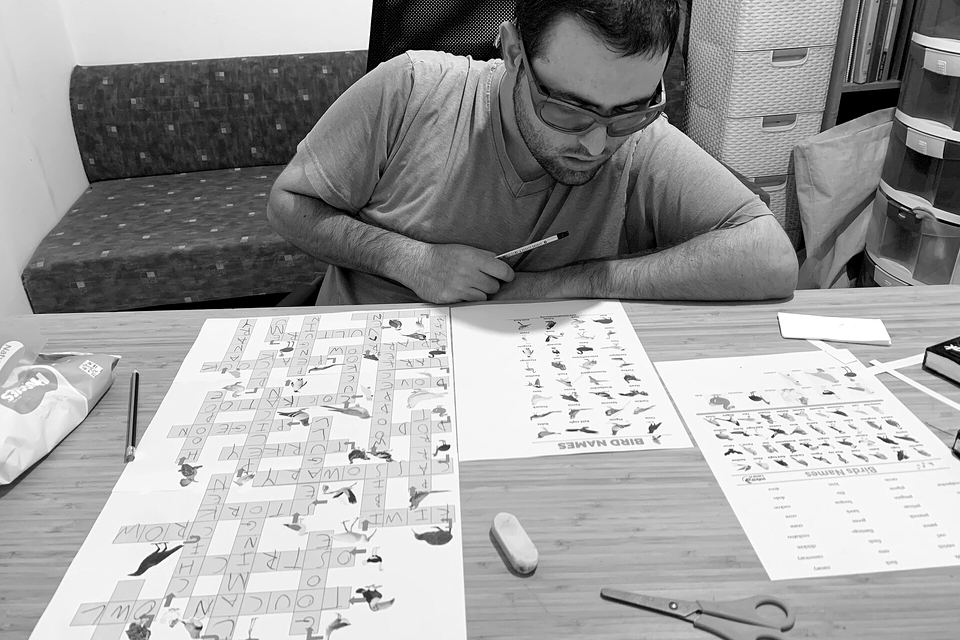

Older adults with signs of cognitive decline who were nudged to read, do puzzles, socialize and keep up healthy habits showed small but measurable improvements in thinking skills over a year, according to a large randomized trial published in The Lancet Primary Care.
The study enrolled about 11,500 people between the ages of 60 and 85 whose results on a standard verbal reasoning test, which measures reading comprehension and reasoning, pointed to mild to severe cognitive impairment. Participants were divided into three groups. The first received general advice about brain health and was asked about daily mentally stimulating activities. The second got the same advice plus access to a website offering automated support for brain exercises and healthy living. The third received all of that plus two brief contacts with a facilitator, usually a nurse, by phone, appointment or email.
After 12 months, every group had improved. About 28 percent of people in the advice-only group no longer showed signs of impairment, compared with just under 33 percent in the website group and about 32 percent in the group with facilitator support, according to an account of the findings by the trial’s lead author, Paul Little, published by The Conversation.
The two groups with online support also posted small additional gains in test scores compared with the advice-only group. The facilitator-supported group had 8 percent fewer people with mild cognitive impairment than the comparison group, and among those who started out impaired, 18 percent fewer with severe impairment.
Little wrote that the results show the brain remains malleable and capable of learning well into older age.
The researchers are candid about the limits. There was no truly untreated comparison group, since even the advice-only participants were tested and questioned in ways that may have changed their behavior, which could help explain why every group improved. The authors also note that participants were generally physically active and ate fairly healthy diets throughout the study, and they say that is why the effect they observed seems to be explained by people doing more brain-stimulating activities rather than by other changes in lifestyle.
Most important, a single year of follow-up cannot show whether the improvements last or whether they reduce the risk of dementia, the outcome patients and families care about most. Little said longer follow-up and further analysis of what drove the changes are still needed. For now, the trial adds to evidence that staying mentally and socially engaged is worth encouraging, while falling short of proof that it prevents serious decline.
Sources
- The Lancet Primary Care, 2026: Randomized three-arm, open-label trial of a digital intervention to protect cognitive health in older adults with cognitive impairment (doi 10.1016/j.lanprc.2026.100192)
- The Conversation, republished by Medical Xpress, October 1, 2026: Lead author Paul Little’s account of the trial design, 11,500 participants aged 60 to 85, 12-month results by group, 8 and 18 percent reductions, and stated limitations
This article was drafted with automated tools from the sources listed, checked by a review pass, and published by Daniel Varrone. Corrections: editor@monochromechronicles.com