Opinion · Editorial
Make Data Centers Pay Their Own Way, and Mean It
The Senate’s failed vote on the Ratepayer Protection Act was a campaign set piece. The problem it pointed to is real, and households deserve a law with teeth before their next bill arrives.
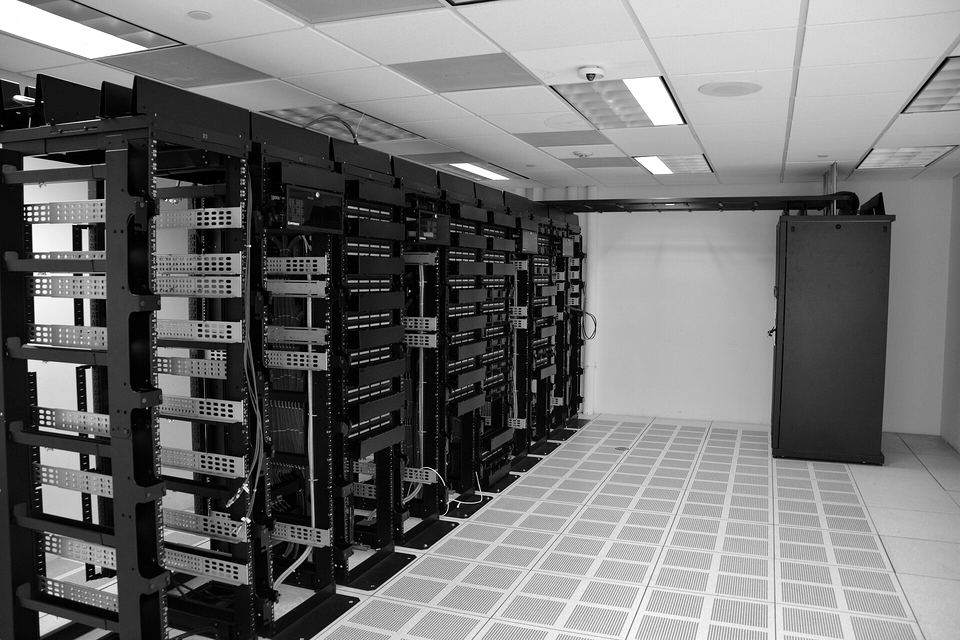

On Wednesday the Senate failed, 57 to 43, to advance the Ratepayer Protection Act, a House-passed bill meant to keep the cost of serving power-hungry data centers off ordinary electric bills. Almost every senator who spoke agreed on the goal. That is what makes the result so frustrating, and why it should not be the end of the story.
The underlying problem is simple. When a utility has to build new transmission lines, substations or generating capacity to serve a giant data center, someone pays. Under many existing rate structures, those costs can be spread across every customer, from the family in a two-bedroom apartment to the corner diner. As the artificial intelligence boom drives a wave of new facilities, the risk is that working households end up subsidizing the infrastructure of some of the richest companies on earth. Voters have noticed, which is why both parties spent the week fighting over who cares more.
The bill’s defenders have a point that deserves a fair hearing. It passed the House 417 to 3, The Guardian reported that the president had indicated he would sign it, and a modest law on the books is worth more than a perfect one that never passes. Four Democrats, including both senators from Georgia, voted to advance it on roughly that reasoning. If Democrats want to argue that it was too weak, they owe voters an answer to the obvious question: what will they pass instead, and when?
Still, the critics’ central objection holds up. The bill would have required state utility regulators only to consider a standard making large users cover the upgrades they cause. Consider is doing a lot of work in that sentence. A state commission could hold a hearing, take testimony and decide to do nothing, and the law would have been satisfied. Senate Democratic leader Chuck Schumer called it a toothless messaging bill, and on the text, that is hard to dispute. Sen. Martin Heinrich’s competing proposal would put binding cost rules on data center developers, which is the version that would actually protect a family’s bill.
The timing also tells us something. The vote came weeks before an election, was led by a senator in a tight race, and was paired with other show votes designed to put the minority on the record. Messaging votes are a fact of life in Congress, but households do not pay their bills in press releases.
There is a better path, and it does not require either party to surrender. A federal law could set a clear default: new very large loads pay for the grid upgrades they require, with states free to go further and with transparent rules so that companies know the price of building before they break ground. That protects consumers, gives the industry predictability, and respects the traditional role of state regulators without letting them shrug.
Democrats were right that this bill fell short. They will only be proven right if they deliver something stronger. Republicans, for their part, can show they meant what they said by bringing a binding version to the floor. The companies building these facilities can afford their own power lines. Ratepayers should not have to wait for the next campaign to be told so again.
Sources
- NBC News, Sep 30, 2026: 57-43 vote short of 60; House passage 417-3; bill directs state utility commissions; Schumer’s ‘toothless messaging bill’; Thune’s argument; Heinrich and Van Hollen alternatives
- CBS News, Sep 30, 2026: four Democrats including Ossoff and Warnock in favor; bill only requires regulators to consider standards; Heinrich’s call for a law with real teeth; Husted’s competitive race; stock-trading bill also blocked; Republican aim to put Democrats on record
- The Guardian, Sep 30, 2026: purpose of the bill to make data centers pay for transmission, generation and distribution upgrades that could otherwise pass to households; president indicated he would sign; voter anxiety about bills ahead of the midterms
This editorial was drafted with automated tools from the sources listed, checked by a review pass, and published by Daniel Varrone. Corrections: editor@monochromechronicles.com