Nation · Supreme Court
Supreme Court Lets Third-Country Deportations Restart While It Weighs the Policy
The justices set aside a lower-court order requiring notice and a chance to raise fears of torture, and agreed to hear the full case in December. The three liberal justices would have kept the order in place.
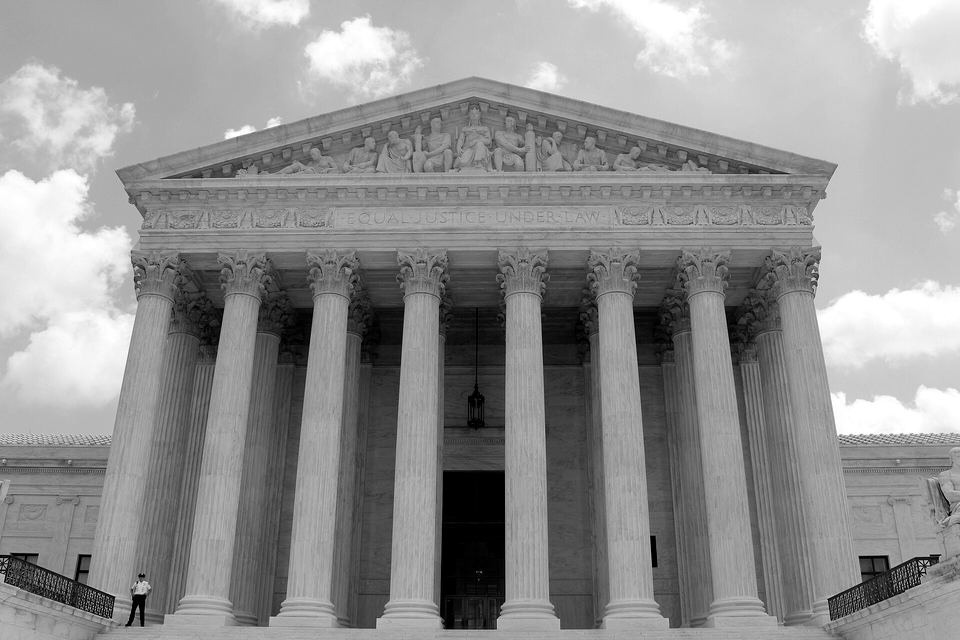

The Supreme Court on Tuesday allowed the Trump administration to resume deporting some migrants to so-called third countries, nations where they are not citizens and may have no ties at all, while the justices take up the legal fight over the policy in full.
In an unsigned order, the court granted the government’s emergency request to set aside a lower-court ruling that had required immigration officials to give migrants notice and a meaningful opportunity to say they feared torture or persecution before sending them to such a country. Justices Sonia Sotomayor, Elena Kagan and Ketanji Brown Jackson said they would have denied the request.
The court also agreed to hear arguments in December on whether the policy violates federal law, the Constitution’s guarantee of due process or federal regulations. Until the justices issue a final decision, the administration can keep sending people to third countries.
The policy, adopted by the Department of Homeland Security in March 2025, lets officials remove a deportee to a third country if that country has given blanket assurances that it will not persecute or torture the people it receives. The administration’s position is that those promises make an individual review of each case unnecessary.
The challenge was brought by four immigrants who are not named in court papers. A federal district judge in Massachusetts, Brian Murphy, found the process unlawful because people were not given a real chance to raise safety concerns, and the 1st Circuit Court of Appeals in Boston largely upheld his order earlier this month. The lower-court rulings did not order anyone released from detention and did not ban third-country removals outright; they required that people be heard first.
The administration says thousands of people have been removed under the policy since early 2025, with destinations that have included South Sudan, and that thousands more are eligible. The Justice Department told the court last week that the lower-court order had forced the cancellation of a flight carrying about 70 migrants, some with criminal records, to three countries.
The government’s strongest argument is a practical one: Solicitor General D. John Sauer told the justices that the block created serious logistical problems for removal operations, added costs and risked straining relations with the countries that had agreed to take deportees, including people with criminal convictions.
Lawyers for the migrants counter that a written promise from a foreign government is no substitute for a hearing, and that federal law bars sending anyone to a country where they are likely to face persecution. Their lead plaintiff, identified in court records by his initials, is a Cuban man with a severe mental illness who fears being sent somewhere he could not get psychiatric care.
James Percival, the homeland security department’s general counsel, welcomed the order and urged people in the country illegally to leave on their own, pointing to a government offer of $3,000 and a flight home.
Tuesday’s order is the latest in a series of emergency rulings in which the court has let the administration’s immigration measures proceed while challenges continue. The court had also allowed an earlier version of the third-country policy to go forward last year. The December arguments will be the first time the justices hear the case in full.
Sources
- NBC News, 2026-09-29: unsigned order granting stay; three liberal justices dissenting; Judge Brian Murphy and 1st Circuit rulings; December arguments; Sauer’s logistical and diplomatic arguments; lead plaintiff from Cuba with severe mental illness; Percival’s $3,000 self-deportation offer; earlier 2025 Supreme Court action; lower rulings did not order releases
- CBS News, 2026-09-29: Sotomayor, Kagan and Jackson would have denied request; court agreed to hear case in December on federal law, due process and regulations; March 2025 DHS policy and blanket assurances; appeals court largely upheld order in September; canceled flight of 70 migrants to three countries; thousands of deportations; Percival’s comments
This article was drafted with automated tools from the sources listed, checked by a review pass, and published by Daniel Varrone. Corrections: editor@monochromechronicles.com