TECH · SPACE
The Orionid Meteor Shower Is Still Going. Here’s How to Watch.
The Orionid meteor shower, made of dust from Halley’s Comet, peaked October 21-22 and stays active until about November 7.
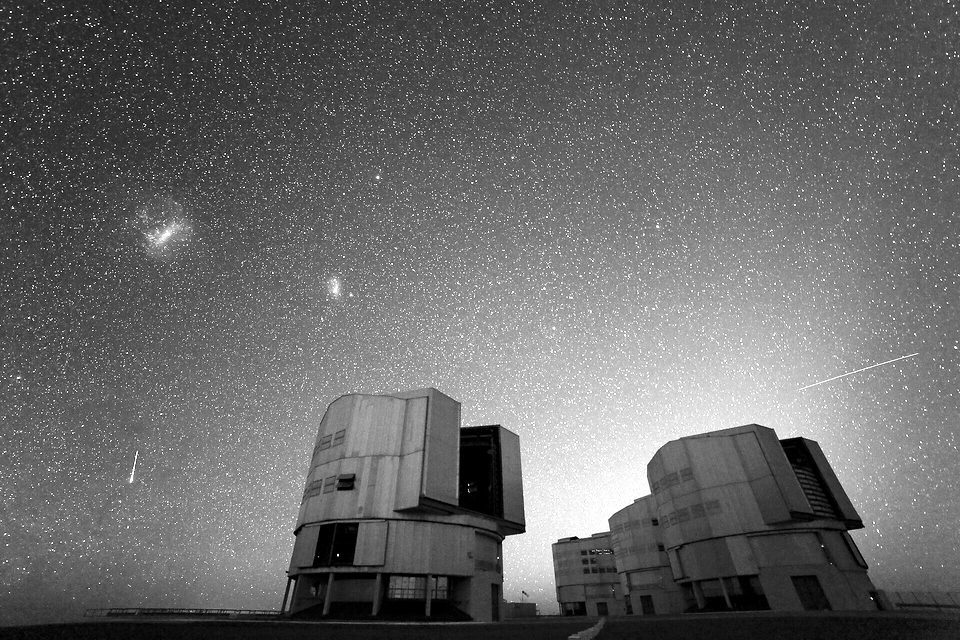

Transcript of the video edition
The Orionid meteor shower peaked this week, and you can still catch it. The dust comes from Halley’s Comet. Here’s how to watch.
The Orionids are bits of dust left behind by Halley’s Comet. Earth passes through the trail every October, and the dust burns up in our sky as shooting stars.
The shower peaked around October twenty-first and twenty-second, but it stays active until about November seventh. A bright moon got in the way at the peak, so the best viewing is after the moon sets.
Find a dark spot. Give your eyes twenty minutes to adjust. Look up, and don’t stare at one place. Bring a blanket. And no telescope is needed, just patience.
Sources
- EarthSky and Space.com Orionid 2026 guides
- LiveScience, Oct 2026: Orionids peak as pieces of Halley’s Comet fall to Earth
- Forbes, Oct 21, 2026; Farmers’ Almanac viewing tips
- Rates vary with moonlight and location.
This video edition was scripted with automated tools from the sources listed, narrated by a synthetic voice and published by Daniel Varrone. Corrections: editor@monochromechronicles.com